Tuned My Home’s Energy Settings in 15 Minutes: Now I Save Weekly and Host Greener Gatherings
You know that feeling when your electricity bill arrives and you stare at it, wondering where it all went? I did too—until I spent just one quiet afternoon adjusting my home’s smart settings. What changed wasn’t just my energy bill, but how I connect with friends and family. Turns out, smarter energy use doesn’t just save money—it creates space for more meaningful moments, calmer nights, and gatherings I actually look forward to. It’s not about living perfectly or turning your house into a lab. It’s about making small shifts that add up to real relief—less stress, more breathing room, and a home that finally feels like it’s working with you, not against you.
The Moment I Noticed My Home Was Working Against Me
It was a rainy Saturday morning, the kind where you just want to curl up with tea and a book. But instead of peace, I felt restless. The living room lights were still on from the night before—bright, harsh, and completely unnecessary. The thermostat was stuck at 74 degrees, even though it was mild outside and no one was home. I walked into the kitchen and saw the coffee maker blinking 12:00, the toaster still warm, and the TV in the other room quietly humming. It wasn’t just about the wasted energy. It was the weight of it all—the mental load of knowing things were off, but never quite getting around to fixing them.
That moment hit me hard. I realized I was carrying a silent burden: the guilt of waste, the frustration of inefficiency, and the exhaustion of constantly playing catch-up. I wanted a calm, welcoming home, but it felt like my house had a mind of its own—one that preferred chaos and high bills. I’d tried reminders, sticky notes, even asking my kids to help. But it never stuck. The truth was, I didn’t need more willpower. I needed a smarter system. And I wasn’t alone. So many of us—mothers, partners, caretakers—spend our days managing everyone else’s needs. We don’t have time to micromanage outlets and thermostats. We need our homes to support us, not add to our to-do lists.
That rainy morning became my wake-up call. I didn’t want to just survive another week of scattered energy and rising costs. I wanted to feel in control. I wanted my home to reflect care, not clutter. And most of all, I wanted to stop feeling guilty every time I turned on a light. So I started asking a simple question: What if my home could do the thinking for me?
Meeting My New Life Assistant: Smart Energy Settings
I used to think smart home tech was for techies or people with too much time on their hands. I pictured complicated apps, confusing wiring, and gadgets that break after two months. But what I discovered was something much simpler: smart energy settings aren’t about gadgets—they’re about peace. They’re like having a quiet helper in the background who just knows when to turn things down, dim the lights, or adjust the temperature so you don’t have to.
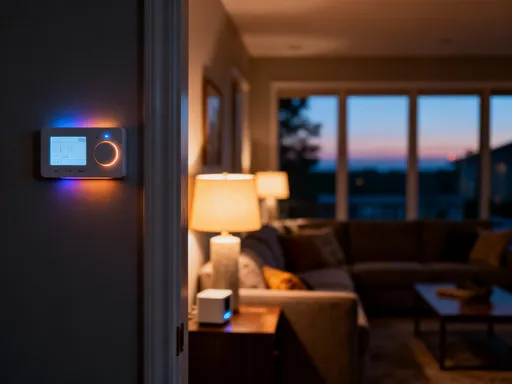
Think of it like setting a playlist for your home. You choose the mood—calm in the morning, cozy at dinner, quiet at bedtime—and the system plays it automatically. A smart thermostat learns your schedule and turns down the heat when you’re out. Smart lights can turn off by themselves or shift to a warmer glow in the evening. Even simple power strips can cut energy to devices that suck power even when they’re ‘off’—things like your TV, game console, or coffee maker. These aren’t futuristic luxuries. They’re practical tools that do the remembering for you.
I remember standing in my hallway, phone in hand, setting up my first schedule. I felt a little silly—like I was teaching my house manners. But within minutes, I had set my living room lights to turn off at 10 p.m., my bedroom lights to warm up an hour before bedtime, and my thermostat to lower itself when I usually leave for school pickup. It wasn’t magic. It was just thoughtful planning, saved once, working forever. And the best part? I didn’t have to touch it again. No more yelling up the stairs, ‘Did someone leave the bathroom light on?’ No more freezing because the AC was blasting at 3 a.m. My home wasn’t perfect, but it was finally starting to feel like it cared back.
How Tweaking Settings Gave Me Back Time and Calm
The change wasn’t dramatic at first. No flashing lights or sudden savings. But within a week, I noticed something subtle: I was breathing easier. Mornings felt smoother because I wasn’t rushing to turn off lights or adjust the thermostat before running out the door. Evenings settled into a rhythm. The house dimmed naturally, the temperature stayed just right, and I stopped feeling that nagging sense of ‘I forgot something.’ It was like my mental to-do list had shrunk by three items—and those items happened to be the ones that used to stress me out the most.
What surprised me most was how physical order led to emotional calm. When your home isn’t constantly buzzing, blinking, or overheating, your mind starts to quiet down too. I realized how much mental energy I’d been spending on small, invisible tasks—checking outlets, adjusting blinds, reminding people to unplug chargers. Freeing up that space made room for other things: reading, calling a friend, even just sitting still. I started to see my home not as a chore, but as a sanctuary. And that shift in mindset made everything else feel more manageable.
One evening, my daughter came home from a friend’s house and said, ‘It’s so peaceful here.’ I smiled, not because the house was spotless, but because it felt balanced. The lights were soft, the air was comfortable, and there was no sense of urgency. That’s when it hit me: I hadn’t just saved energy. I’d reclaimed my peace. And that was worth more than any dollar amount on a bill.
The Unexpected Gift: More Room for Real Connection
With the stress of energy waste fading, something else grew in its place: the confidence to invite people in. I used to hesitate before hosting—worried about the cost of cooking, the mess, the lights being on too long. But now, I didn’t feel that weight. I knew my home was running efficiently in the background, so I could focus on what really mattered: connection.
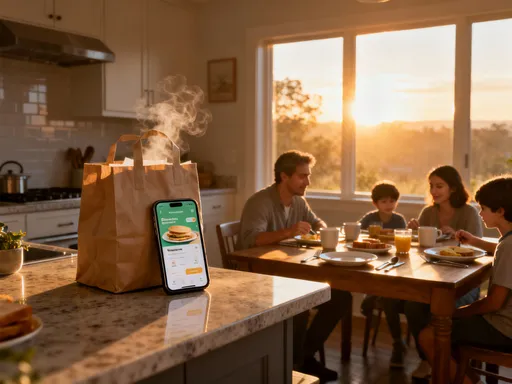
Last month, I hosted a small dinner for three close friends. I’d set the dining room lights to a warm, inviting tone, scheduled the oven to preheat automatically, and made sure the living room would stay cozy without overheating. Midway through dessert, one of my friends looked around and said, ‘This feels so warm and relaxed. How do you make your house feel this way?’ I laughed and said, ‘Honestly? It’s not me. It’s my thermostat and a few smart bulbs.’ We ended up talking about how little changes at home can shift the whole mood of a gathering. No one left feeling like they were draining my resources. Instead, we all felt nourished—by the food, the conversation, and the atmosphere.
That night reminded me that hospitality isn’t about perfection. It’s about presence. And when your home isn’t fighting you, you can be fully present. I’ve started sharing tips with other moms at school pickup, not as a lecture, but as a simple, ‘Hey, I found something that helped me relax—want to know how it works?’ It’s not about convincing anyone. It’s about offering a door, in case they’re ready to walk through it.
Making It Simple: The 15-Minute Setup That Changed Everything
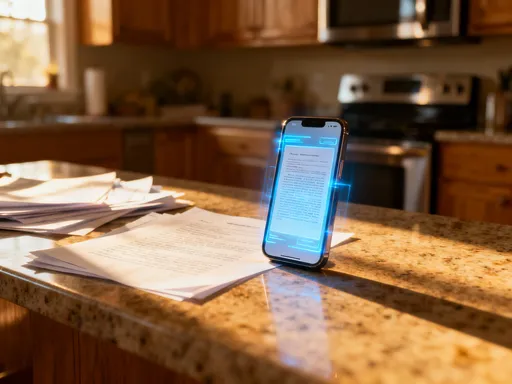
I won’t lie—I almost didn’t do it. I thought, ‘Do I really need another app on my phone? What if I mess it up?’ But then I remembered how much I hated staring at my electricity bill. So I sat down with my phone and my coffee one Saturday morning and gave myself 15 minutes. That’s all it took.
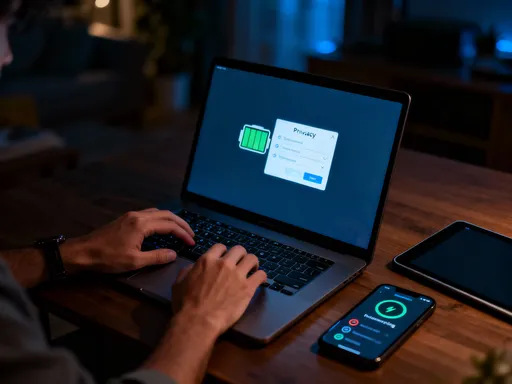
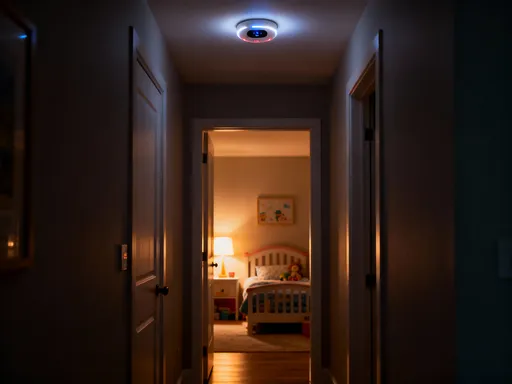
First, I opened the app for my thermostat. It asked me a few simple questions: When do you usually leave the house? When do you come back? What temperature feels comfortable? I answered honestly—no need to be perfect. Then I set a schedule: lower heat during school hours, warm up again before I got home. Next, I grouped my smart lights by room and set a ‘Goodnight’ routine: all lights off at 10 p.m., except a soft glow in the hallway for safety. Finally, I plugged my entertainment center into a smart power strip and set it to cut power when the TV turned off. No more phantom energy drain.
That was it. No cables, no tools, no stress. And the best part? I didn’t have to do anything after that. The system ran on its own. I checked my energy bill a month later and saw a 19% drop—not because I’d sacrificed comfort, but because I’d stopped wasting it. I remember thinking, ‘I wish I’d done this years ago.’ But then I smiled and said, ‘Well, I’m doing it now.’ And that’s what matters.
Growing Beyond Savings: How This Sparked My Personal Growth
What started as a money-saving trick turned into something much bigger: a quiet confidence in my ability to care for my home and myself. Mastering those small settings gave me a sense of control I hadn’t felt in years. And once I had that, other things started to shift. I began cooking more because I wasn’t worried about the oven running too long. I unplugged more devices when traveling, knowing my home was already efficient. I even planned a weekend getaway, something I’d been putting off because I hated coming home to a hot, stuffy house—only to find it waiting for me at a perfect temperature.
This wasn’t just about technology. It was about intention. Every small setting I adjusted was a tiny act of care—for my family, my budget, and the planet. And that mindset spilled over into other areas. I started saying no to things that drained me. I made time for walks, for reading, for quiet mornings. I realized that taking care of my home wasn’t separate from taking care of myself. They were part of the same practice.
Now, when I walk into my house, I don’t feel overwhelmed. I feel supported. And that makes all the difference. I’m not just managing a household. I’m creating a life—one where I have energy to give, not just tasks to complete.
Your Turn: Small Changes, Bigger Life
If you’re reading this and thinking, ‘I don’t have time for this,’ I get it. I was you. But what if just 15 minutes could give you back hours of peace, lower bills, and a home that feels more like a partner than a problem? You don’t need to be a tech expert. You don’t need to spend a fortune. You just need to start—wherever you are, with whatever you have.
Maybe it’s setting one light to turn off automatically. Maybe it’s adjusting your thermostat by a few degrees. Maybe it’s plugging your coffee maker into a timer. These aren’t grand gestures. They’re quiet acts of self-care disguised as home upgrades. And over time, they add up to something beautiful: a life with more room to breathe, more space to connect, and more joy in the everyday.
Your home should help you, not hurt you. It should be a place where you feel calm, not guilty. Where you can host loved ones without worry. Where you can rest, recharge, and remember what matters. When your home supports you, you have more to give—not just to others, but to yourself. So take that 15 minutes. Not for perfection. Not for savings alone. But for the quiet joy of living in a home that finally feels like it’s on your side. Because you deserve that. And so does everyone who walks through your door.