Stuck in traffic again? Here’s how real-time updates changed my commute forever
Stuck in traffic again? Here’s how real-time updates changed my commute forever. We’ve all been there—sitting in gridlock, watching the minutes tick away, wondering why we didn’t leave earlier or take another route. I used to dread my daily drive, constantly late and stressed. But everything shifted when I started using real-time traffic tools. What felt like magic was simply smart tech working quietly in the background. Now, I move through the city with confidence, saving time and energy. It’s not just about avoiding jams—it’s about gaining back moments that matter. Moments like making it to your daughter’s school play on time, sharing a calm breakfast with your spouse, or simply arriving at work without that knot in your stomach. This isn’t about fancy gadgets or complicated systems. It’s about how a simple tap on your phone can quietly transform your day.
The Daily Chaos: How Traffic Decisions Used to Stress Me Out
Remember those mornings? The alarm goes off, you rush through breakfast, maybe spill coffee on your blouse while packing lunches, and then—there it is. Traffic. Not just a little slowdown, but the kind that stretches on for miles, with no explanation. I used to drive the same route every day, convinced it was the fastest, only to find myself crawling along, late for work, late for pickup, late for everything. The worst part wasn’t just the time lost—it was the feeling of helplessness. I’d sit there, gripping the wheel, thinking, There has to be a better way. But back then, my options were limited. I’d listen to the radio for traffic reports, but by the time they mentioned an accident, I was already stuck in it. Or I’d try to remember what happened last Tuesday and guess if today would be better. Spoiler: it rarely was.
And it wasn’t just about me. My kids would wait at school, wondering why Mom was late—again. My husband would text, Did you leave yet? with that subtle edge of frustration. Even simple plans, like meeting a friend for coffee or getting to a doctor’s appointment, felt risky. I began to associate driving with stress, not freedom. That constant uncertainty wore me down. It wasn’t just the extra 20 minutes on the road—it was the mental load of never knowing what to expect. I’d replay the same thoughts: Should I have left earlier? Could I have taken the back roads? Why didn’t someone warn me? It felt like I was always one wrong turn away from disaster. Looking back, I realize how much that daily grind affected my mood, my patience, even my confidence. I wasn’t just late—I felt out of control.
Discovering Real-Time Traffic: A Small Change That Felt Like a Breakthrough
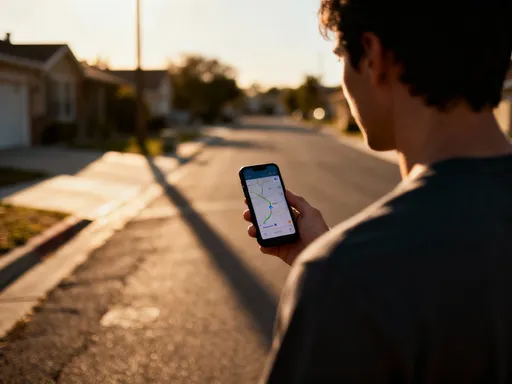
The shift started with a simple recommendation from a friend. She said, “Just use the map app on your phone. It shows traffic in real time.” I’ll admit—I rolled my eyes. How could a little blue dot on a screen make that much difference? But one rainy Tuesday, desperate to avoid the usual backup on the expressway, I decided to try it. I opened the app, typed in my destination, and there it was: a thick red line down my usual route. But just above it, a side street I’d never considered was glowing green. The app said I’d save 12 minutes. I took the chance.
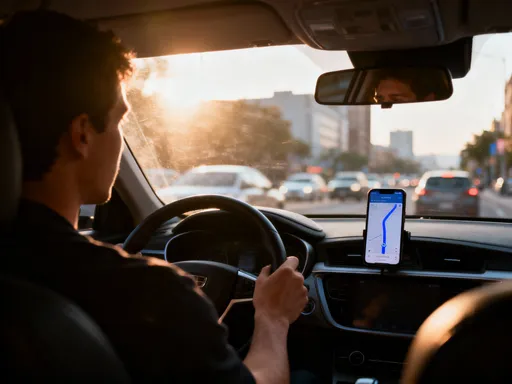
And just like that, my whole perspective changed. I didn’t hit a single red light. I passed the usual backup on the expressway, watching cars inch forward while I cruised past. When the app gently said, “In 500 feet, turn right,” I laughed out loud. It felt like having a co-pilot who actually knew what they were doing. That day, I arrived 15 minutes early—something I hadn’t done in years. But more than the time saved, it was the relief that surprised me. For the first time in a long time, I didn’t feel anxious behind the wheel. I wasn’t guessing. I wasn’t reacting. I was informed. That little app didn’t just reroute my car—it rerouted my mindset. It gave me something I hadn’t realized I was missing: peace of mind.
How It Works Without the Tech Talk: Understanding the Magic Behind the Scenes
Now, I know what you’re thinking—how does it actually work? And more importantly, is it safe? I had the same questions. I didn’t want anything tracking my every move or selling my data. So I did a little digging, and what I found was actually kind of beautiful in its simplicity. Here’s the truth: real-time traffic updates don’t rely on cameras or government sensors alone. They’re powered by all of us—drivers like you and me, with our phones in our bags or mounted on our dashboards. When location services are on, our devices send anonymous signals about our speed and position. No names, no addresses, just data points that say, “This car is moving slowly here” or “This road is clear.”
These signals are collected and analyzed by powerful systems in the cloud, which then create a live picture of traffic across the city. Think of it like a giant, silent conversation. Thousands of drivers are unknowingly sharing updates: “Hey, this stretch is jammed,” or “This route is flowing smoothly.” The app listens, learns, and then guides the rest of us. It’s not magic—it’s math, combined with community. And the best part? It’s designed to protect privacy. Your phone doesn’t tell the system who you are. It doesn’t store your route history unless you ask it to. It’s not watching you—it’s helping you. Once I understood that, I felt more comfortable using it every day. It wasn’t a surveillance tool. It was a team effort, a shared resource that made life easier for everyone.
Smarter Commuting: Saving Time (and Sanity) Every Single Day
Since I started using real-time traffic tools, my commute has changed in ways I never expected. It’s not just about avoiding the big jams—it’s the little wins that add up. Like the morning I was running late for a parent-teacher conference, and the app rerouted me around a fender bender I never would’ve seen coming. Or the time I saved on gas because it guided me through a series of green lights, minimizing stops. I’ve even started leaving later—calmly, not frantically—because I trust the app to find the best path. That extra 10 minutes at home? I use it to finish my tea, read a page of my book, or just breathe.
But the real savings aren’t just in minutes or miles. They’re in mental energy. I don’t waste time second-guessing myself. I don’t arrive flustered and frazzled. Instead, I pull up to school, work, or a friend’s house feeling composed. And that calmness carries over. I’m more present with my kids. I’m more focused at work. I’m just… nicer. One study from the Texas A&M Transportation Institute found that drivers in major cities spend an average of 54 hours a year stuck in traffic. That’s more than a full work week! Now imagine getting even half of that time back—not just physically, but emotionally. That’s what this technology offers. It’s not just about efficiency. It’s about well-being. Every smooth ride, every avoided delay, is a small victory for your day.
Beyond the Car: How This Tech Helps My Whole Family Stay Connected
What I didn’t expect was how much this tool would help my family stay in sync. We’re all busy—my husband with his job, the kids with school and activities, my mom with her doctor visits. And coordinating pickups used to be a nightmare. I’d get texts like, “Where are you?” or “I’m ready!” with that urgent tone that made me speed up, even if I was already doing my best. Now, I share my live location when I’m on my way. It’s not about surveillance—it’s about reassurance. My daughter can see that I’m five minutes away, so she doesn’t panic. My husband knows when to start warming up dinner. Even my mom, who’s not tech-savvy, loves it when I send her the estimated arrival time. “Oh good,” she’ll say, “I’ll put the kettle on.”
And it’s not just convenience. It’s safety. When my teenager started driving, I worried constantly. But with shared location turned on (with her permission, of course), I can see she’s on her way home from soccer practice. No need to call and distract her. No guessing. Just peace of mind. She likes it too—she says it makes her feel more independent, knowing I’m not calling every five minutes. We’ve also used it for bigger things, like planning weekend trips. We’ll check traffic before we leave, adjust our departure time, and even find the least crowded route to the beach. It’s turned travel from something stressful into something we actually enjoy. This tech didn’t just change my commute—it changed how we connect as a family.
Building Better Habits: From Reactive Driving to Proactive Planning
Using real-time traffic tools consistently has done more than improve my drives—it’s changed how I approach my whole day. I’ve gone from being reactive to being proactive. Instead of rushing out the door and hoping for the best, I check the app before I leave. If there’s a delay, I adjust. Maybe I leave 10 minutes earlier. Maybe I choose a different errand first. That small pause—just a glance at the screen—has given me back a sense of control. And that mindset has spilled over into other areas of my life. I plan my grocery trips around peak traffic. I schedule appointments with buffer time built in. I even use it to decide when to walk the dog—avoiding the school pickup rush near the park.
It’s funny how one small habit can lead to bigger shifts. I’ve become more intentional about my time. I’m less rushed, less reactive, more thoughtful. I’ve started applying that same logic to other parts of my routine—like meal planning or organizing family events. If I can trust the app to guide me through traffic, why not trust myself to plan the rest of my day with the same clarity? It’s not about perfection. It’s about progress. And each time I use the tool, I’m reinforcing a simple truth: I don’t have to white-knuckle my way through life. I can move through it with grace, one smart choice at a time. That’s personal growth—not in a flashy way, but in the quiet, daily decisions that shape who we are.
Why This Matters More Than Just Getting There Faster
When I think about how much this technology has changed my life, it’s not the time saved that stands out most. It’s the way it’s helped me show up—as a mother, a partner, a friend, a person. I’m not arriving late and flustered. I’m not snapping at my kids because I’m stressed. I’m not missing moments because I’m stuck in traffic. I’m present. I’m calm. I’m myself. That’s the real gift. Real-time traffic tools aren’t just about data or algorithms. They’re about dignity. They’re about giving us back our time, our energy, our peace. In a world that often feels chaotic and overwhelming, they offer a small but powerful sense of order.
And let’s be honest—life is hard enough. We don’t need one more thing to worry about. So if there’s a tool that can help us breathe a little easier, move a little smoother, and connect a little more deeply, why not use it? This isn’t about becoming dependent on technology. It’s about choosing tools that serve us—quietly, reliably, kindly. It’s about using innovation not for show, but for substance. For better mornings. For calmer commutes. For more time with the people we love. So the next time you’re sitting in traffic, feeling that familiar frustration rise, ask yourself: could there be a better way? Maybe it’s already in your pocket. Maybe all it takes is one tap to change your day—and your life—for the better.