After Testing 12 Breakfast Routines: This App Habit Cut My Morning Chaos in Half
Waking up to a chaotic morning? You're not alone. Between getting kids ready, checking emails, and skipping breakfast—again—I used to feel like I was already behind by 8 a.m. Then I started paying attention to how small tech habits were quietly reshaping my days. One food delivery app, used the right way in the morning, didn’t just save me time—it improved how I communicate, plan, and connect with my family. This is the story of how a simple shift transformed not just my breakfast, but my daily rhythm.
The Morning Mayhem: How We All Get Stuck Before the Day Begins
Let’s be honest—how many of us truly start the day feeling calm and in control? I used to be that person rushing from the moment my feet hit the floor. The alarm goes off, and before I’ve even opened my eyes fully, my mind is already racing: Did I reply to that email? What’s on the calendar today? Who needs a ride? And then, the kids wake up, someone spills juice on the carpet, and the dog starts barking at the mail carrier. Suddenly, it’s 7:45 a.m., and I haven’t brushed my teeth, let alone eaten anything. I’d grab a granola bar or skip breakfast altogether, surviving on coffee and sheer willpower.
It wasn’t just the physical rush—it was the emotional weight. That constant sense of being one step behind, reacting instead of leading. I felt frazzled before the workday even started, and it carried over into everything: my patience with the kids, my focus during meetings, even how I showed up in conversations with my partner. I realized I wasn’t just managing a busy life—I was drowning in the details, and breakfast kept falling through the cracks. But here’s what I didn’t expect: fixing that one small thing—how I handled my first meal—ended up changing everything else.
It wasn’t about eating organic or going keto. It was about creating space. And that’s when I started looking beyond the usual advice. No more five-step skincare routines or meditation apps I’d forget to use. I needed something simple, realistic, and already part of my world. That’s when I noticed something surprising: the solution wasn’t in another productivity tool. It was in an app I already had on my phone—used in a way I’d never considered.
The Unexpected Tool: Why a Food Delivery App Became My Morning Anchor
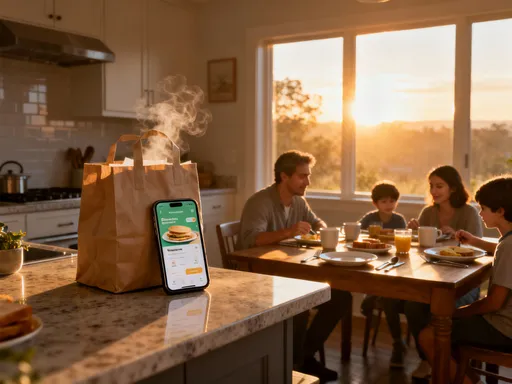
I know what you’re thinking. A food delivery app? Really? That’s for late-night cravings or lazy Sundays, not for building a better morning. But hear me out. I wasn’t looking for a tech miracle. I just wanted to stop skipping breakfast. So one Tuesday, in a moment of desperation, I opened the app the night before and ordered my favorite avocado toast with a side of fruit. I set the delivery for 7:15 a.m., right when the kids usually start stirring. I didn’t expect much—just food on time, maybe.
But when the doorbell rang and there it was—fresh, warm, exactly what I wanted—I felt something shift. I wasn’t scrambling. I wasn’t making decisions. I wasn’t arguing with my daughter about what she would or wouldn’t eat. I sat down, took a breath, and actually ate. For the first time in years, I started the day nourished, not reactive. And that small win? It rippled.
The real power wasn’t just in the food—it was in the predictability. By using the app to remove the morning decision, I saved mental energy. No more staring into the fridge, no more last-minute cereal debates. The app became my morning anchor. It wasn’t about convenience alone; it was about intention. I started looking forward to that knock on the door. It wasn’t just breakfast arriving—it was a signal that the day could be different. That I could be different.
And the best part? It required almost no effort. No downloads, no new subscriptions. Just using something I already had in a smarter way. That’s when I realized: technology doesn’t have to be complicated to be transformative. Sometimes, it’s not about finding a new gadget. It’s about seeing what’s already in your pocket with fresh eyes.
From Plate to Productivity: How Breakfast Timing Shapes My Focus
You’ve probably heard the saying, “Breakfast is the most important meal of the day.” I used to roll my eyes at that. But now I get it—not because of nutrition labels or metabolism charts, but because of what happens in my brain when I eat early and eat well. When I skip breakfast, by 10 a.m., I’m distracted. I’m checking the clock, wondering when I can sneak in a snack. My focus dips, my mood flattens, and I make impulsive decisions—like grabbing a sugary pastry that crashes me by noon.
But when I eat within the first hour of waking—especially something balanced, like eggs and whole grains—I stay steady. My energy doesn’t spike and crash. I can concentrate during calls, respond to emails thoughtfully, and actually remember what I’m supposed to do next. It’s not magic. It’s biology. But the difference is huge. I’m not just surviving the morning—I’m leading it.
And here’s the thing: that clarity doesn’t just help me at work. It changes how I show up at home. When I’m not hangry, I’m more patient. When I’m not distracted by hunger, I actually listen to my kids when they tell me about their dreams or their worries. I’m more present. I don’t miss the small moments because I’m too busy trying to fix the big messes I created by starting the day unprepared.
The food delivery app made this possible by solving the timing problem. I don’t have to choose between feeding myself and getting the kids out the door. The food arrives when I need it, not when I finally have a free minute. That consistency has trained my body and mind to expect fuel early, and now, if breakfast doesn’t come, I notice. Not because I’m hungry—but because my rhythm feels off. That’s how habit becomes health.
Planning the Night Before: The Ritual That Transforms Mornings
If I’m honest, the real transformation didn’t happen in the morning. It happened the night before. That’s when I started building a tiny but powerful ritual: choosing my breakfast before bed. It sounds small, but it’s been everything. Instead of waiting until morning to decide what to eat, I take two minutes after dinner to open the app, pick my order, and schedule the delivery. Sometimes I do it while folding laundry. Sometimes I do it while watching a show with my husband. It’s become part of my wind-down routine.
What surprised me was how much this simple act changed my mindset. It’s not just about food—it’s about self-care. When I take that moment to plan for myself, I’m sending a message: I matter. My needs matter. I’m not just the person who takes care of everyone else. I’m someone worth preparing for. And that shift in perspective? It carries into the next day.
Plus, there’s something grounding about making a decision ahead of time. It reduces what experts call “decision fatigue”—that mental exhaustion from making too many small choices. By locking in breakfast the night before, I’ve already won one battle. I’ve protected my morning peace. And that makes the rest of the day feel more manageable.
I also started using the app’s features more intentionally. I saved my favorite orders as “favorites” so I don’t have to search every time. I set a phone reminder for 8 p.m. to prompt me to place the order. I even started checking the delivery window during dinner so I could adjust if needed. These aren’t big steps, but together, they’ve created a system that works. And the best part? It’s flexible. If I know I’m going to a meeting early, I change the delivery time. If I’m craving something different, I switch it up. It’s not rigid—it’s responsive. And that’s what makes it sustainable.
Family Sync: How One Order Brings Us Closer at Breakfast
At first, this was just about me. But then my husband noticed. “You seem calmer in the mornings,” he said. “And you’re actually eating.” I laughed, but I realized he was right. And then he asked, “Can I get something too?” That’s when it clicked—this habit didn’t have to be solo. It could include all of us.
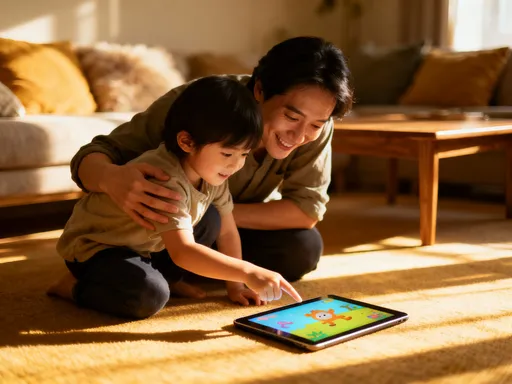
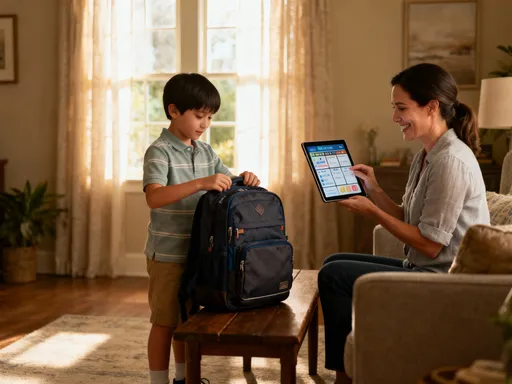
We started small. I added his coffee and a bagel to my order. Then, one weekend, I asked the kids what they’d like. We made it a little game—Friday night, we’d all pick something for Saturday morning. Pancakes for my daughter, waffles for my son, fruit cups for everyone. When the delivery came, it wasn’t just food—it was an event. The kids woke up excited. We sat together. We talked. No screens. No rushing. Just us.
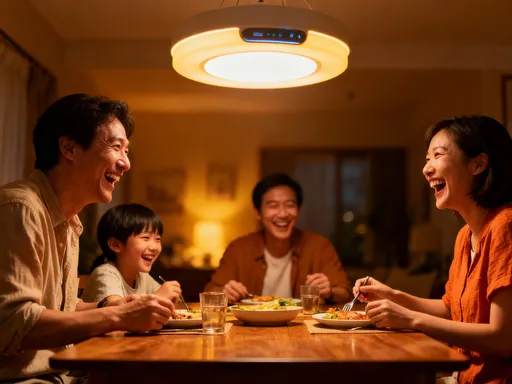
That shared meal became something we all looked forward to. And it did more than just feed us—it connected us. Without even trying, we started having better conversations. My son told me about a book he was reading. My daughter shared a worry about school. Because we weren’t stressed, we were present. And that presence? It spilled over into the rest of the day.
Now, on busy weekdays, we still coordinate. We use a shared note on our phones to drop in ideas. “Can I get oatmeal tomorrow?” “Don’t forget my orange juice.” It’s simple, but it’s our way of checking in. And when the delivery arrives, it’s not just my breakfast—it’s our breakfast. That small act of ordering together has become a quiet way of saying, “I’m thinking of you. I’ve got you.” And in the chaos of daily life, that matters more than we realize.
Beyond Convenience: The Hidden Skill This Habit Built—Collaboration
I didn’t expect it, but this simple routine taught me something deeper: how to collaborate better. When we all know what’s coming for breakfast, we can plan around it. My husband knows when to bring the car around. The kids know when to get dressed. I know when to sit down and breathe. There’s less friction because there’s less uncertainty.
That predictability builds trust. When the food arrives on time, and everyone gets what they want, it feels like we’re working as a team. We’re not just sharing a meal—we’re sharing a rhythm. And that rhythm makes the rest of the day flow more smoothly. School drop-offs happen without yelling. Work calls start on time. Chores get done because no one is stuck in survival mode.
But the real skill I’ve built is emotional availability. When I’m not stressed about food, I have more patience. When I’m not rushing, I have more presence. And when I’m present, I can actually respond—kindly, thoughtfully, calmly—instead of reacting out of stress. That’s the hidden gift of this habit: it doesn’t just save time. It creates space—for connection, for calm, for being the person I want to be.
And it’s not just about breakfast. This small act of planning together has spilled over into other parts of our lives. We’re better at coordinating schedules. We’re more considerate of each other’s needs. We’re more likely to ask, “How can I help?” instead of just assuming someone else will figure it out. That’s the power of tiny habits: they don’t just change what you do. They change how you relate.
Your Turn: How to Start This Habit Without Overthinking It
If you’re thinking, “This sounds nice, but I don’t have time,” I get it. That’s exactly what I thought. But the truth is, you don’t need a lot of time. You just need one small step. Start with one day. Pick a weekday—maybe Tuesday or Wednesday, when things are steady. The night before, open the food delivery app and order something simple: a breakfast sandwich, yogurt with granola, a smoothie. Choose something you already like. Don’t overthink it.
Set the delivery for when you usually wake up or when the kids start moving. Make sure it’s a time that works with your routine. And when it arrives, sit down and eat it. That’s it. No pressure to do it every day. No guilt if you miss a morning. Just one win. Notice how it feels. Do you have more energy? Are you calmer? Do you enjoy that first bite more than you expected?
Once you’ve done it once, try it again. Use the app’s reorder feature to save time. Save your favorite meals. Set a reminder on your phone so you don’t forget. Involve your family—ask what they’d like, or let them pick one day. Keep it light. Keep it simple. Progress, not perfection.
And if the app isn’t your thing, that’s okay. The principle is what matters: plan your breakfast the night before, in whatever way works for you. It could be prepping overnight oats, setting out cereal bowls, or even just deciding what you’ll eat before bed. The goal isn’t the app—it’s the intention. It’s about showing up for yourself, one morning at a time.
The Ripple Effect: When Small Tech Choices Make Life Feel Lighter
Looking back, I realize this wasn’t just about eating breakfast. It was about reclaiming my mornings. It was about creating a moment of calm in a world that never stops moving. That knock on the door isn’t just a delivery—it’s a reminder that I can design my day, not just survive it.
The app didn’t change my life. I did. But it gave me a tool—a small, simple, accessible way to start. And from that one change, so much else followed. I’m more focused. I’m more patient. I’m more connected to my family. I’m not perfect, but I’m present. And that’s what I wanted all along.
Technology gets a bad rap sometimes. We hear about screen addiction, distraction, the pressure to keep up. But here’s what I’ve learned: tech isn’t the problem or the solution. It’s how we use it. When we align it with our values—when we use it to care for ourselves and the people we love—it becomes something beautiful. It becomes a quiet act of love.
So if you’re feeling overwhelmed, if your mornings feel like a race you can’t win, I invite you to try this. Pick one small thing. Use the tools you already have. Design one moment with care. Because when you do, you’re not just changing breakfast. You’re changing how you live. And that’s worth waking up for.