Cut My Dinner Prep Time in Half: How Smart Lighting Transformed Our Family Meals
Remember those chaotic evenings when you’re rushing to cook, the kids are hungry, and the dining room feels either too dim or glaringly bright? I was there too—until I realized the lighting was secretly making everything harder. It wasn’t just about brightness; it was mood, focus, and connection. With a simple smart lighting setup, our dinner time shifted from stressful to serene. Now, meals feel calmer, conversations flow better, and cleanup somehow feels lighter. This isn’t about fancy tech—it’s about creating a space where your family actually wants to gather.
The Hidden Problem: How Poor Lighting Sabotages Your Dinner Routine
Let’s be honest—how many times have you snapped at someone over burnt toast or spilled milk, only to realize later it wasn’t really about the toast or the milk? For years, I thought our dinner table tension was just part of family life. The kids were loud, my partner was tired, and I was overwhelmed. But then one night, something clicked. After yet another tense meal, I stepped back and asked myself: what’s making this moment so hard? Was it the noise? The mess? The stress of the day? Then I looked up—literally. The light above our dining table was harsh, cold, and uninviting. It reminded me of a hospital hallway, not a place where love and laughter should bloom.
That’s when I learned something surprising: lighting doesn’t just help us see—it shapes how we feel. Scientists have long known that light affects our circadian rhythms, which control everything from sleep to digestion. Harsh, cool-toned lighting—especially after sunset—can trick your brain into thinking it’s still daytime. This suppresses melatonin, the hormone that helps us relax and wind down. No wonder we were all on edge! On the flip side, dim lighting can make us feel sluggish or even disengaged. It’s not just about seeing your mashed potatoes clearly—it’s about creating a space where everyone feels calm enough to eat, talk, and connect.
I started paying attention to the patterns. On nights when the kitchen was bright and clinical, the kids argued more, meals felt rushed, and cleanup turned into a battle. But on weekends when we lit candles or ate outside in soft evening light, things felt different. Conversations flowed. Laughter came easier. Even the dog seemed calmer. That’s when I realized: we weren’t just fighting over broccoli—we were fighting against an environment that didn’t support us. Lighting was the invisible force shaping our mood, and I was ready to take control of it.
Why Smart Lighting Is More Than Just a Gimmick
I’ll admit it—I used to think smart bulbs were just for people who loved gadgets. You know, the kind of folks who have voice-controlled toasters and robot vacuums that map your living room. I didn’t need that. But then I tried one, just to see what the fuss was about. And honestly? It changed everything. Smart lighting isn’t about impressing your neighbors or showing off the latest tech. It’s about giving you quiet, invisible control over your home’s atmosphere—especially during those high-stakes family moments like dinner.
Here’s the magic: most smart bulbs let you adjust both brightness and color temperature. That means you can go from a bright, energizing white light to a warm, cozy amber glow with just a tap on your phone or a simple voice command. And that small change makes a huge difference. During the day, cooler light helps keep energy levels up and supports focus—perfect for homework or meal prep. But after sunset, our bodies naturally crave warmth. That’s where warm lighting comes in. Studies show that exposure to warm, low-blue light in the evening supports melatonin production, helping us relax and prepare for rest. In practical terms? It means your kids are less likely to bounce off the walls after dinner, and you’re less likely to feel wired when it’s time to wind down.
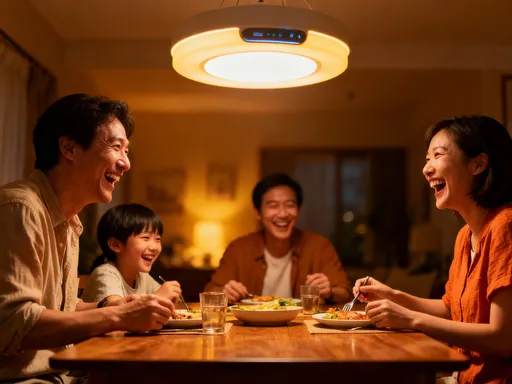
But the real win is how it changes the *feel* of your space. When I switch to warm lighting at dinner, it’s like flipping a calm switch in the house. The room feels cozier. Voices soften. Even the food looks better—warm light makes colors richer, so your roasted vegetables suddenly look appetizing instead of dull. It’s not magic; it’s science working quietly in the background. And the best part? You don’t need to be a tech expert to use it. Most systems are designed for real life—simple, intuitive, and flexible. This isn’t about turning your home into a spaceship. It’s about making it feel more like a home.
The Mistake Most Families Make When Setting Up Smart Lights
When I first installed my smart bulbs, I was so excited. I picked the perfect warm tone—soft, golden, like sunset—and saved it as “Dinner Mode.” I thought I’d solved everything. But a few days later, I realized something: dinner still felt stressful. The lighting was prettier, sure, but the tension was still there. That’s when I realized my big mistake: I was using one setting for everything. I had treated smart lighting like a fancy light switch, not a tool for shaping moments.
The truth is, dinner isn’t a single event—it’s a series of transitions. There’s the prep phase, when you’re chopping, stirring, and managing chaos. Then comes the meal itself, when you want everyone to sit, eat, and connect. And finally, there’s cleanup, when you need energy but also want to avoid dragging the whole night out. Each of these phases calls for different lighting. If you use the same dim, cozy glow while you’re trying to dice onions, you’re not helping yourself. You might miss a spot on the counter or cut your finger. But if you keep bright, cool light on during dinner, you’re sending your brain the wrong signal—stay alert!—when what you really want is to relax and enjoy.
So I started experimenting. I created three simple scenes: “Prep,” “Dinner,” and “Clean Up.” During prep, I use bright, cool-white light. It helps me see clearly, stay focused, and move efficiently. As soon as the food is ready, I switch to warm, soft lighting—around 2700K, which feels like candlelight or a fireplace. This shift does something powerful: it signals to everyone that the rush is over. It’s time to sit, breathe, and enjoy. And after the meal? I switch to a slightly brighter, neutral tone—just enough to keep energy up without feeling harsh. This simple rhythm—lighting that moves with the meal—has made dinner feel less like a chore and more like a ritual.
How to Match Light to Your Family’s Unique Rhythm
One thing I’ve learned is that no two families are the same—and your lighting shouldn’t be either. At first, I tried to copy the “perfect” lighting routines I saw online. But they didn’t work for us. Our weeknight dinners are fast and loud, while Sunday brunch is slow and sleepy. A one-size-fits-all approach just didn’t fit. That’s when I started paying attention to our natural rhythm. I watched when energy levels dipped, when the kids got restless, when my partner zoned out. And I used that insight to build lighting scenes that worked with our life, not against it.
For busy weeknights, I use a slightly brighter warm light—around 3000K. It’s still cozy, but it keeps everyone engaged. If I notice the kids are extra wound up, I dim it a little more to encourage calm. On weekends, when we take our time, I go even warmer—sometimes as low as 2200K, which feels like a gentle sunset. It’s amazing how much this small change affects the mood. My daughter actually said the other day, “This light makes pancakes taste better.” I laughed, but she’s onto something. When the environment feels good, everything feels better.
The key is flexibility. Most smart lighting apps let you adjust brightness and tone in real time. I keep mine on my phone, and I’ll tweak it mid-meal if needed. Sometimes I use voice commands—“Hey, dim the lights a little”—which feels effortless. I’ve also set up timers so the lights shift automatically as dinner approaches. For example, at 5:45 PM, the bulbs start warming up, so by 6:15, the room is already in “dinner mode.” It’s like having a gentle reminder that the day is shifting. The goal isn’t perfection—it’s support. Lighting should adapt to you, not the other way around.
Avoiding the Over-Automation Trap
There’s a fine line between helpful and overwhelming. I crossed it. At one point, I had my lights set to change every 15 minutes—bright for prep, warm for eating, dim for dessert, amber for cleanup. I even linked them to my oven timer. It sounded smart, but it felt robotic. The house started to feel like it was running me, not the other way around. The lighting shifts became jarring, not soothing. I realized I had lost sight of the point: this tech was supposed to make life easier, not add more rules.
So I simplified. Now, I have just three core scenes: “Bright,” “Dinner Warm,” and “Evening Soft.” I switch between them manually or with simple timers. I don’t stress if it’s not perfect. Sometimes I forget to change the light, and dinner happens under the default setting. You know what? It’s still better than before. The goal isn’t to control every moment—it’s to create a few small shifts that support peace and connection. Tech should be a quiet helper, not a demanding boss.
This mindset has changed how I think about all smart home tools. They’re not about automation for automation’s sake. They’re about removing friction. If a tool adds stress, it’s not working. I now ask myself: does this make my life calmer, or more complicated? If the answer is the latter, I scale back. With lighting, less is often more. A single warm glow at the right time can do more than a dozen perfectly timed transitions.
Small Tweaks, Big Shifts: Involving the Whole Family
One of the most unexpected benefits of smart lighting has been how it brought us closer. I used to be the only one adjusting the lights. But then I invited my kids to help. I showed them how to use the app and let them pick a “dinner glow” color—within warm tones, of course. My son loves a deep amber, while my daughter prefers a soft gold. Now, when it’s time for dinner, one of them often says, “Can I turn on the cozy light?” And just like that, it’s become part of our routine.
But it’s more than convenience. It’s connection. That simple act—choosing the light together—has turned into a little ritual. It signals that dinner is starting. It gives the kids a sense of ownership. And it slows us down. We’re not just rushing to the table; we’re preparing to be together. Even my partner, who was skeptical at first, now notices the difference. He said the other day, “I didn’t realize how much the light used to bug me. Now dinner just feels… easier.”
These small moments add up. When tech becomes part of your family culture—not just a tool, but a shared experience—it stops feeling like tech and starts feeling like care. It’s not about the bulbs. It’s about what they make possible: eye contact, real conversations, laughter that lingers. And sometimes, that starts with a simple question: “Who wants to set the mood tonight?”
Beyond the Dining Room: How This Change Improved Our Whole Evening
What surprised me most was how one change rippled through our entire evening. Better lighting didn’t just fix dinner—it transformed what came after. With calmer meals, bedtime routines became smoother. The kids weren’t overstimulated, so they settled faster. My partner and I actually had energy to talk, not just collapse on the couch. We started having real conversations—about our days, our dreams, even silly things like what we’d do if we won the lottery. The house felt lighter, warmer, more alive.
I also noticed something subtle but powerful: we were present. Without the glare of harsh light or the frustration of a tense meal, we were more aware of each other. We saw facial expressions more clearly. We listened better. We laughed more. It’s amazing how much environment shapes attention. When your space feels good, you’re more likely to stay in it—and to stay with each other.
And the benefits didn’t stop at dinner. I started using warm lighting in the living room in the evenings, creating a consistent wind-down rhythm. I even adjusted the kitchen light in the morning to a brighter tone, helping us wake up more naturally. It’s all connected. When one part of your routine improves, others follow. It’s like tuning one instrument in an orchestra—the whole sound changes.
Conclusion
It’s not about having the smartest home—it’s about creating moments that feel human. That warm glow at the table didn’t just light up the room; it lit up our connection. And sometimes, the most powerful tech is the one you don’t even notice—because it simply makes life better, one peaceful meal at a time. You don’t need a full smart home overhaul. Start with one bulb. Try one warm setting at dinner. See how it feels. You might be surprised at how something so small can make such a big difference. After all, the heart of a home isn’t in the gadgets—it’s in the moments we share. And with a little light, those moments can shine a little brighter.