I kept saying 'I’ll eat better tomorrow'—this app finally made it stick
How many times have you promised yourself a healthier diet, only to end up ordering takeout again? You're not alone. For years, I struggled with inconsistent eating habits, despite knowing what "healthy" looked like. Then I discovered something unexpected: not another diet plan, but a social platform that quietly changed everything. It wasn’t about willpower—it was about connection, gentle reminders, and real-life support. Let me show you how this simple shift made lasting change possible.
The Broken Promise of Willpower
It’s 10:37 p.m. The kids are finally asleep, the house is quiet, and you’re standing in front of the open fridge, scanning leftovers like you might find a magic answer. You know you don’t need this snack. You know tomorrow was supposed to be the day you started eating better. But here you are—again. Sound familiar? I’ve been there more times than I can count. I’d start every Monday with fresh motivation, a clean kitchen, and a detailed meal plan. By Wednesday, I’d be digging into cold pizza at my desk, wondering where it all went wrong.
For years, I blamed myself. I thought I just wasn’t strong enough, disciplined enough, or serious enough about my health. But the truth is, willpower was never the problem. The problem was expecting it to carry the entire load. Research shows that willpower is like a muscle—it gets tired. And when you’re juggling work, family, stress, and fatigue, asking it to resist every craving is like expecting a single candle to light up an entire house. It’s not that you’re failing. It’s that the system was never built to last.
What I finally realized is that willpower doesn’t fail us—our environment does. We live in a world designed to make healthy choices hard. Fast food is faster. Sugary snacks are cheaper. And emotional eating? That’s built into our routines. So when we rely only on saying “no” to ourselves, we’re setting ourselves up for burnout. I wasn’t weak. I was just trying to do it all alone.
When Diets Feel Like Solitary Confinement
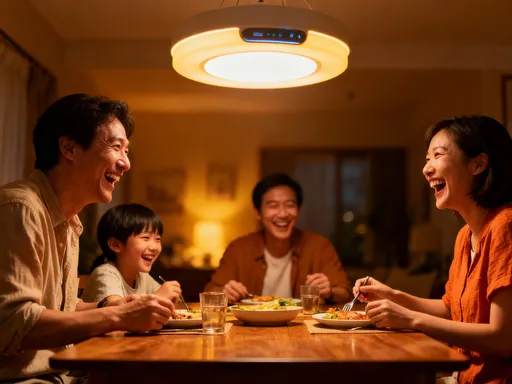
Have you ever gone to a family dinner and felt like the odd one out because you passed on dessert? Or stayed quiet during an office birthday celebration because you didn’t want to explain why you weren’t eating cake? Dieting often feels like signing up for social isolation. It’s not just about food—it’s about feeling disconnected from the people and moments you love.
I remember one holiday dinner where I brought a healthy dish to share, only to watch everyone pile their plates with mashed potatoes, stuffing, and pie. I ate my quinoa salad quietly, smiling while everyone joked about “cheating” and “earning” their treats. I didn’t say a word, but inside, I felt lonely. It wasn’t that I wanted the pie—I just wanted to feel included. And that’s when it hit me: health shouldn’t come at the cost of connection. Yet, so many of us treat it that way.
The more I tried to eat well on my own, the more I started hiding. I stopped posting about my meals. I avoided talking about food. I even lied when someone asked if I wanted to grab lunch. Why? Because I was afraid of judgment. Afraid of failing. Afraid that if I admitted I was struggling, people would think I wasn’t trying hard enough. But secrecy doesn’t help us grow—it traps us in shame. And shame is the opposite of progress.
It wasn’t until I admitted to a close friend that I felt like a failure that everything shifted. She didn’t give me a lecture. She didn’t hand me a meal plan. She just said, “I get it. I’ve been there too.” And in that moment, something lifted. Because for the first time, I didn’t feel alone. That’s when I started wondering: what if support wasn’t just something we get once in a while, but something we could access every single day?
The Unexpected Power of Shared Journeys
I didn’t think technology could help with this kind of emotional weight. I’d tried apps before—calorie counters, step trackers, water reminders—but they always felt cold. Like a robot was judging me for skipping a workout or eating a cookie. Then I stumbled on a different kind of platform. Not a fitness app. Not a diet planner. But a simple social space where real people shared real meals—no filters, no perfection, just honesty.
At first, I just lurked. I’d scroll through posts of breakfasts, lunches, and dinners—some healthy, some indulgent, all real. One woman shared her smoothie with a caption: “Trying to eat more greens today. This is step one.” Another posted a photo of her takeout with, “Long day. I’m doing my best.” And something about that honesty made me feel seen. These weren’t influencers with perfect bodies. These were moms, teachers, nurses, and grandmas—just like me.
Then one morning, I took a picture of my oatmeal with berries and posted it. I didn’t write much—just “Starting the day right.” Within minutes, I got three likes and a comment: “Love the berries! What kind did you use?” I smiled. Someone noticed. Someone cared. That tiny interaction didn’t change my life overnight, but it made me feel less alone. And that, I’ve learned, is where real change begins.
The beauty of this platform wasn’t in fancy features or algorithms. It was in the quiet hum of connection. Seeing someone else’s lunch reminded me to pack mine. Reading a post about resisting cravings helped me through my own. And when I had a tough day and wanted to give up, a simple “You’ve got this” from a stranger kept me going. It wasn’t magic. It was human.
How Small Interactions Create Big Changes
You might think a social app for healthy eating would be all about big transformations—dramatic weight loss photos, intense workout videos, or strict meal plans. But the truth is, the most powerful moments happen in the small, everyday actions. Like posting a photo of your lunch while waiting for the kettle to boil. Or sending a heart emoji to someone who wrote, “Craving chocolate like crazy today.” These tiny interactions add up in ways we don’t always notice—until we look back and realize how far we’ve come.
One feature I love is the “Meal Check-In.” It’s not about logging calories or counting macros. It’s just a simple prompt: “What’s on your plate today?” You can post a picture, write a few words, or even just share how you’re feeling. Some days, I post a full meal. Other days, I write, “Didn’t plan well. Grabbed a sandwich. Tomorrow will be better.” And every time, I get support—not criticism.
There’s also a private group for “Tough Days,” where members share when they’re struggling. No advice, no judgment—just presence. I joined after a particularly hard week when I’d eaten fast food three nights in a row. I wrote, “I feel like I’m failing.” Within minutes, replies poured in: “You’re not failing.” “We all have weeks like this.” “Just showing up matters.” I cried reading them. Because for the first time, I didn’t feel like I had to be perfect to be worthy of support.
Another feature I use daily is the “Non-Scale Victory” thread. Instead of focusing on weight, people celebrate things like “Had a healthy snack after a long meeting” or “Said no to late-night snacking.” These posts remind me that progress isn’t just about numbers. It’s about choices. It’s about showing up, even when it’s hard. And when someone notices your effort—when they say, “That’s huge!”—it builds something deeper than willpower: self-trust.
Building a Circle That Feels Like Home
Not every online group is supportive. I joined a few at first that felt competitive—people comparing weight loss, criticizing food choices, or posting “before and after” photos like trophies. I left quickly. That wasn’t the kind of space I needed. What I wanted—and found—was a community that felt like home. Warm. Safe. Kind.
The platform I use has clear guidelines: no diet shaming, no extreme restrictions, no unsolicited advice. Moderators are active, and members are encouraged to lead with empathy. It’s not about being perfect. It’s about being real. And that makes all the difference.
I’ve also learned that consistency matters more than virality. I don’t post every day. Some weeks, I’m quiet. But I still check in. I still read. I still show up. And over time, I’ve built real connections. There’s Linda, a schoolteacher in Ohio who always shares her veggie-packed lunches. Maria, a nurse in Texas, who reminds me that rest is part of health too. And Amina, a mom of three in Canada, who once wrote, “Today I chose water over soda. Small win, but I’m proud.” We’ve never met in person, but they feel like friends.
If you’re thinking about joining a community like this, here’s my advice: look for one that feels kind. One where you can be honest about your struggles without fear. One that celebrates effort, not just results. And if you can’t find one that fits, consider starting your own. You’d be surprised how many women are looking for the same thing—a place where they can say, “I’m trying,” and be met with “We’re here with you.”
From Tracking to Transformation
Most health apps treat food like data. You log your meals, hit your goals, get a green checkmark. But that kind of tracking often feels clinical—like you’re being graded. What changed for me was when tracking became sharing. Posting a meal wasn’t about proving I was “good.” It was about saying, “This is where I am today.” And when others responded with kindness, it created a feedback loop of encouragement.
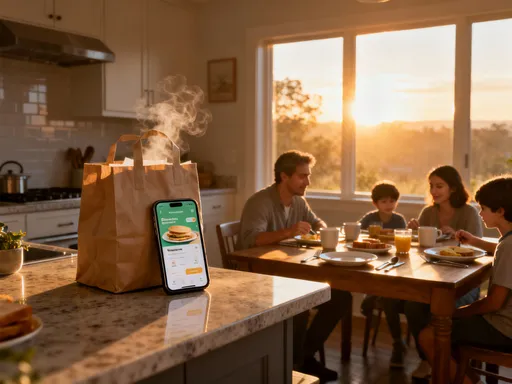
Here’s how it works: when you share a meal, you’re not just recording it—you’re inviting connection. A friend might say, “That looks delicious—what’s your recipe?” or “I’ve been craving avocado too!” That simple exchange makes healthy eating feel social, not solitary. It turns discipline into dialogue.
Over time, this builds something powerful: self-trust. When you consistently show up—when you make a better choice after a long day, and someone notices—you start to believe in yourself. Not because you followed a strict plan, but because you’re supported. Because you’re seen. Because you’re not alone.
I’ll never forget the day I posted a photo of a grilled chicken salad after skipping dinner the night before for work. I wrote, “Back on track.” A friend replied, “Proud of you for listening to your body.” I read that and thought, “Maybe I am doing okay.” That moment didn’t change my weight. But it changed how I saw myself. And that’s the real transformation.
A Healthier Life, Together
After more than a year on this platform, I can honestly say I eat better—not because I have more willpower, but because I have more support. I still have off days. I still order takeout sometimes. But now, I don’t spiral. I don’t hide. I post, I share, I ask for encouragement. And every time, I’m met with kindness.
Sustainable change isn’t about restriction. It’s about connection. It’s about knowing that when you open the fridge at night, you’re not just fighting temptation—you’re part of a community that’s rooting for you. The right social platform doesn’t replace willpower. It wraps it in care, understanding, and real human warmth.
This journey hasn’t just changed how I eat. It’s changed how I live. I feel less guilt. More joy. A quiet confidence that comes from knowing I’m not alone. And when I stand in the kitchen now, I don’t just see leftovers—I see choices. And I know that whatever I decide, I’ve got people in my corner.
If you’ve been saying “I’ll eat better tomorrow” for years, I get it. But what if tomorrow didn’t have to wait? What if, today, you reached out—not to a diet, but to a community? Because sometimes, the most powerful tool for change isn’t a plan. It’s a simple message that says, “Me too.”