More than an app: How shared health tracking helped us build better daily routines
We’ve all tried to start a morning routine, drink more water, or finally get consistent sleep—only to give up after a week. I was stuck in that cycle too, until my closest friend and I started using a simple health tracking app together. It wasn’t about chasing perfection. Instead, it became a quiet, steady way to support each other. Small check-ins, real progress. This is how technology, paired with friendship, quietly reshaped our everyday lives.
The Morning Struggle That Started It All
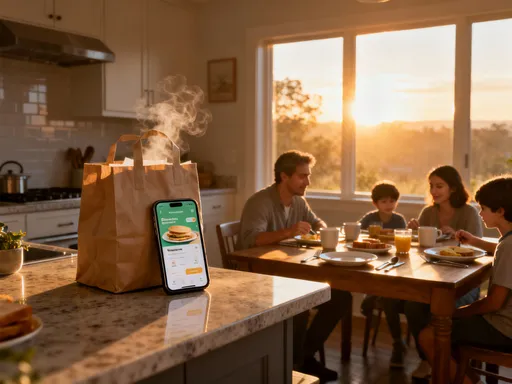
I used to hit snooze five times, scramble to get the kids ready, and rush out the door with a cold cup of coffee in hand. By 9 a.m., I’d already feel like I was behind—mentally, emotionally, physically. My friend Sarah and I would text each other during those chaotic mornings: “I can’t keep living like this.” We weren’t dramatic—we just felt tired. Not sick, not broken, just worn down by the same loop every day. One Tuesday, after missing yoga for the third time that week, she sent me a screenshot of a health tracking app she’d downloaded. “Let’s try this together,” she said. “No pressure. Just see what happens.” I downloaded it that night, not expecting much. But that small decision marked the beginning of something bigger than either of us realized.
At first, we didn’t even talk about the app. We just used it quietly—logging sleep, steps, mood. But within days, our texts changed. Instead of “Ugh, I’m so tired,” it became “I only got 6 hours last night—no wonder I feel off.” Or “I walked 8,000 steps today—so close!” There was no shame, just awareness. And that awareness became the foundation of change. We weren’t trying to become fitness gurus or wellness influencers. We just wanted to feel like ourselves again—present, energized, in control. The app didn’t fix everything overnight, but it gave us a shared language to talk about our well-being in a way that felt doable, not overwhelming.
Choosing the Right App—Simplicity Over Features
Let’s be honest—there are *so* many health apps out there. When Sarah first suggested tracking, I downloaded three in one evening. One wanted me to log every bite of food. Another sent push notifications every two hours asking how I felt. A third tried to turn my life into a leaderboard. I felt more stressed after using them than before. Sarah felt the same. “I don’t need another job,” she joked. “I need something that fits into my life, not takes it over.”
So we got intentional. We asked ourselves: What do we actually want? Not data overload. Not guilt. Just gentle reminders to care for ourselves. We looked for something that asked simple questions, respected our time, and didn’t make us feel like failures when we missed a day. The one we finally chose didn’t have flashy charts or AI coaching. It just asked two things each night: “How did you sleep?” and “Did you move today?” That’s it. No pressure. No scoring. Just a quiet moment to reflect. And somehow, that tiny ritual made all the difference. We realized the best technology isn’t the one with the most features—it’s the one that stays out of the way while still helping you stay on track.
It reminded me of a good kitchen tool—something like a sharp knife or a reliable pot. You don’t think about it every day, but when you need it, it’s there, making things easier. That’s what this app became: a small, dependable helper in the background of our lives. We didn’t have to force ourselves to use it. We *wanted* to, because it felt kind, not demanding. And that’s when we knew we’d found the right fit—not because it was advanced, but because it felt human.
How Shared Tracking Built Gentle Accountability
Here’s something I didn’t expect: I never told Sarah when I skipped my evening walk. But the next morning, I saw her step count pop up in the app—10,234. And without a word from her, I felt a quiet nudge. Not shame. Not guilt. Just a soft reminder: I could have done that too. That’s the magic of shared tracking. It’s not about competition. It’s not about proving anything. It’s about knowing someone else is on the same path, doing their best, and showing up—even on the hard days.
We never made rules. No “you have to walk 10,000 steps or else.” No daily check-in calls. But we did start sending little notes: “Saw your sleep score—glad you got rest!” or “Love that you moved today—even if it was just around the house.” Those small acknowledgments built a quiet kind of accountability—one rooted in care, not pressure. It wasn’t about being perfect. It was about being seen. And that made all the difference.
There was one week I barely opened the app. Life got busy—kids sick, work deadlines, the usual. I didn’t feel like I was failing, but I did feel disconnected. Then Sarah texted: “No pressure, but I miss seeing your check-ins.” That simple message brought me back. Not because I felt guilty, but because I remembered this wasn’t just about health—it was about us. The app was the tool, but the connection was the real reason we kept going. We weren’t just tracking steps and sleep. We were nurturing a friendship that cared enough to notice when the other was drifting.
Turning Data Into Daily Rituals
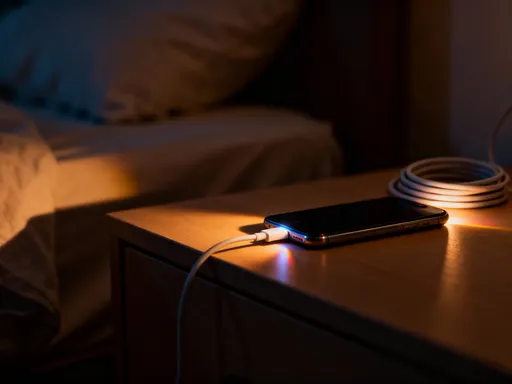
The coolest part? The app didn’t just show us what we were doing—it helped us figure out what worked. After a few weeks, I noticed a pattern: on nights I read a book instead of scrolling, I fell asleep faster and woke up feeling clearer. So I started swapping one screen night for reading. No big announcement. Just a small shift. Within a month, it became automatic. Now, my Kindle sits on the nightstand like a promise to myself.
Sarah had her own discovery. She saw that her energy levels were higher on days she drank water first thing in the morning. So she bought a marked water bottle and filled it before making coffee. “It’s not a big deal,” she said, “but I feel more awake by 10 a.m.” These weren’t extreme lifestyle changes. No juice cleanses or 5 a.m. workouts. Just tiny, informed choices—guided by real feedback, not guesswork. And that made them stick.
That’s the power of data when it’s used gently: it doesn’t judge. It illuminates. It shows you what’s actually happening, so you can make small, smart changes without overhauling your whole life. We didn’t need a strict plan. We just needed to see the patterns. And once we did, the right choices started to feel natural, not forced. The app didn’t tell us what to do—it helped us learn how to listen to our own bodies.
Life Happens—And the App Learned With Us
Of course, life didn’t stop. I got the flu in January. For five days, my steps were in the hundreds. My sleep was broken. I expected the app to nag me, to show red warnings or sad emojis. Instead, it said: “Rest is part of progress.” That simple message brought me to tears. Not because I was dramatic, but because it felt like someone—something—was on my side. It didn’t demand perfection. It honored what my body actually needed.
Sarah went through a busy season at work. Her step count dropped. Her sleep suffered. But instead of quitting, she adapted. She swapped long walks for 10-minute stretches during lunch. She started using a breathing exercise in the app before bed. “It’s not ideal,” she said, “but it’s still care.” And that’s the lesson we both learned: sustainability isn’t about never slipping. It’s about returning, again and again, with kindness.
The app supported that. It didn’t reset our streaks or shame us for missing days. It just stayed there, waiting. And when we were ready, it welcomed us back without judgment. That flexibility made it feel less like a tool and more like a companion—one that understood life isn’t linear. Progress isn’t a straight line. It’s messy, full of detours and pauses. But every small effort still counts. The app reminded us of that, quietly and consistently.
Beyond Ourselves—Ripples in Family and Work
What surprised me most was how this small habit started to touch other parts of my life. One morning, my daughter saw me doing my usual stretch routine and asked, “Can I join?” Now, it’s our thing—five minutes of movement before school. She doesn’t care about step counts or sleep scores, but she feels how it starts the day differently. “It makes me feel calm,” she said. And honestly? So do I.
At work, a colleague noticed I wasn’t rushing to the coffee machine anymore. “You seem more focused,” she said. I realized it wasn’t just coffee—I’d been sleeping better, hydrating more, moving daily. Those small shifts weren’t just improving my health. They were changing how I showed up in the world—calmer, more patient, more present.
Sarah had a similar ripple. She started meal prepping on Sundays, inspired by our shared wins. Her sister asked what had changed, and soon they were cooking together. “It’s not about perfect meals,” Sarah said. “It’s about making space for care.” That’s the thing about healthy habits—they don’t stay contained. When you start treating yourself with kindness, it spills over. It touches your kids, your coworkers, your family. It becomes a quiet example of what’s possible when you prioritize well-being—not as a chore, but as an act of love.
Why This Isn’t Just About Health—It’s About Connection
We still use the app today. It’s not perfect. Some days we forget. Some weeks we drift. But it’s no longer a novelty. It’s part of our rhythm—like calling each other on Sundays or sharing a favorite recipe. What started as a tool for better sleep and more movement became something deeper: a bridge between us. We didn’t just build better routines. We built deeper trust. We learned to celebrate small wins. We became more patient—with ourselves and each other.
Technology often gets blamed for pulling us apart—distracting us, isolating us, making us feel more alone. But this experience showed me something different. When tech is used with intention—when it supports real human connection—it can actually bring us closer. It can help us show up for the people we care about, even when life gets loud and busy.
What we created wasn’t just healthier habits. It was a shared language of care. A way to say, without words, “I see you. I’m here. I’m doing my best, and I’m glad you are too.” That’s the quiet power of combining simple technology with genuine friendship. It doesn’t change everything overnight. But over time, it changes what matters—how we feel, how we connect, how we move through our days with a little more ease, a little more hope, and a lot more heart.