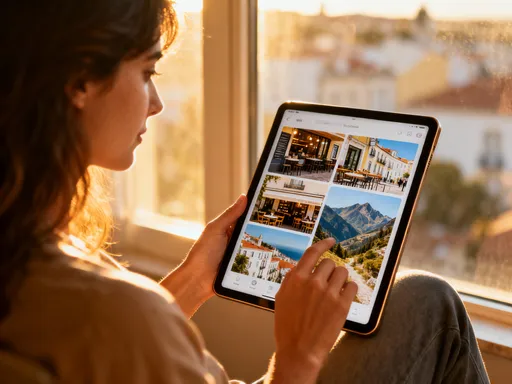
I Don’t Know Anyone Here—But Now I Do, Thanks to This Simple App
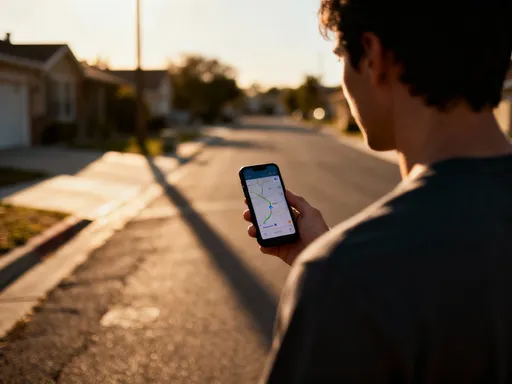
"I don’t know anyone here" used to make my stomach drop. Whether it was a work event in a new city or walking into a weekend market where everyone else seemed to be waving at friends, I’d stand on the edge, smiling politely, pretending I wasn’t alone. I wasn’t shy—I could chat with anyone when needed—but starting from zero, with no shared history, felt impossible. Then something changed. I stopped scrolling through social media and found an app that didn’t just show me people, but introduced me to *my kind of people*. Not influencers. Not distant connections. Real women, like me, who loved books, hiking, or baking sourdough at 6 a.m. What felt like luck was actually design—smart, thoughtful technology that matched me with others through shared passions. And now? I walk into meetups smiling. Not because I’ve changed—but because I finally found the right door.
The Loneliness Trap in a Hyper-Connected World
We live in the most connected era in history. Our phones buzz with messages, our feeds overflow with updates, and we can video call someone across the globe in seconds. Yet so many of us—especially women in our 30s, 40s, and beyond—feel quietly lonely. Not in a dramatic way, but in the small, aching moments: when you get good news and realize there’s no one nearby to celebrate with, or when you’re sick and the only voice you hear is your own. I remember moving to a new city for my job. I had a great apartment, a nice routine, and yet on Friday nights, I’d scroll through events thinking, "I wish I had someone to go with." I wasn’t looking for a party crowd. I just wanted to feel like I belonged somewhere.
That’s the paradox we’re living in. We have hundreds of online friends, but maybe only two or three we’d call at 9 p.m. when we’re feeling low. Social media shows us highlight reels—perfect vacations, happy families, exciting nights out—but rarely the truth: that many of us are quietly wishing we had a real, live person to share those moments with. And the harder part? Knowing how to start. It’s not that we don’t want to meet people. It’s that we don’t know where to begin. Going up to a stranger and saying, "Hi, want to be friends?" doesn’t work. We need something more natural—a reason to connect, a shared moment, a common ground.
This is where technology, when done right, can step in. Not by replacing real life, but by making it easier to find. Because the truth is, most of us don’t need more followers. We need more laughter in real time, more shoulders to lean on, more people who get why we’re excited about that new library opening or the community garden plot we just got. And that kind of connection doesn’t happen in comment sections. It happens face to face, over coffee, on a trail, in a kitchen full of flour and mistakes. The right app doesn’t create friendships—but it can help you find the doorway.
From Likes to Real-Life Laughs: What Changed for Me
I used to think I just needed to be braver. That if I pushed through the awkwardness, I’d eventually make friends. So I tried everything—joined Facebook groups, went to networking events, even showed up at a wine-tasting night alone (which felt like walking into a scene from a movie where everyone knows the script but me). Nothing stuck. The conversations felt forced, the connections faded, and I kept coming home feeling more tired than when I left.
Then I tried something different. Instead of looking for "people to hang out with," I asked myself: "What do I actually love doing?" The answer was simple: I love walking in nature, reading memoirs, and trying new recipes—even the ones that fail. So I searched for a local hiking group. Not on Facebook, but on a platform I’d heard about from a friend—something focused on activities, not profiles. I signed up, joined a Saturday morning trail walk, and showed up with zero expectations.
What happened surprised me. Because we were all there for the same reason—fresh air, movement, trees—we didn’t need small talk. Someone asked about my water bottle. Another commented on my boots. A third shared a shortcut to the waterfall. Within minutes, I was laughing, swapping stories about failed weekend hikes, and feeling… normal. Not like I was performing, not like I had to impress anyone. Just me, being me, among people who cared about the same things. That day, I didn’t just enjoy the walk—I left with three new numbers and a dinner invitation.
The shift wasn’t about confidence. It was about context. When you meet people through something you both love, the connection starts before you even say hello. You’re not strangers. You’re fellow fans of the same thing. And that changes everything.
How Interest-Based Platforms Work (Without Feeling Like a Setup)
If you’re thinking, "This sounds like a dating app," I get it. The idea of meeting strangers through an app can feel risky or awkward. But most interest-based platforms are nothing like that. They’re not about romance. They’re about *doing*. You sign up, pick your interests—say, photography, book clubs, or weekend farmers’ market tours—and the app shows you local events you can join. No swiping. No direct messages out of nowhere. Just a calendar of real-life gatherings.
Here’s how it works: organizers—often volunteers or local enthusiasts—create events like "Sunrise Yoga in the Park" or "Beginner’s Ukulele Circle." The app lets you see who else is going, read reviews, and even message the group chat before the event. Safety features are built in: events are public, attendance is tracked, and most platforms verify profiles to reduce spam or fake accounts. Some even have women-only groups or co-hosted events with community centers for extra peace of mind.
The beauty is in the low pressure. You’re not expected to be "on." You don’t have to charm anyone. You just show up, do the thing, and let the conversation happen naturally. If you’re into knitting, you’ll sit in a circle with others who brought their yarn. If you love urban gardening, you’ll dig in the soil together. The activity is the focus—so the social part feels like a bonus, not a test.
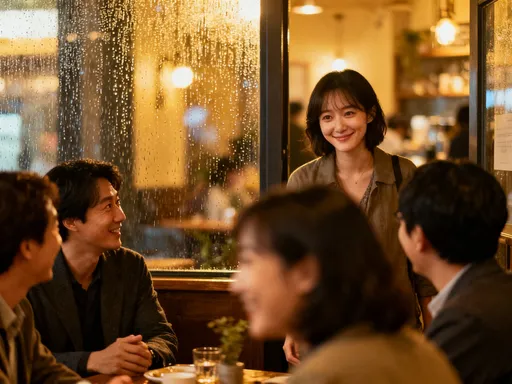
I remember my first time using one of these apps. I hovered over the "Join" button for ten minutes, wondering, "What if no one talks to me?" But when I got there, I realized everyone was a little nervous. We were all there because we wanted connection, but we also wanted it to feel real. And because we had the activity as a shared anchor, the silence didn’t feel heavy. It felt comfortable. Like we were all just… present.
Finding Your Tribe: A Step-by-Step Guide Anyone Can Follow
If you’re ready to try this, here’s how to start—without stress, without overthinking. First, pick a platform that feels safe and focused on real-life events. Look for one with clear event descriptions, photos from past gatherings, and active group chats. Read a few reviews. See if people mention feeling welcome. You’re not looking for perfection—just a place that feels kind and organized.
Next, create your profile. This isn’t about looking perfect. It’s about being real. Instead of writing "Love travel and tacos," try "Just moved here and looking for hiking buddies" or "New to sourdough—send tips and judgment-free zones." A simple photo of you smiling (no filters needed) goes a long way. The goal isn’t to impress—it’s to attract people who’d enjoy spending time with *you*.
Now, choose your first event. Go small. A morning coffee walk. A library book swap. A beginner’s painting class. The key is low stakes. You’re not committing to a weekend retreat—you’re testing the water. And if you can, bring a friend. Not because you need backup, but because going with someone familiar can ease the first-time jitters. But don’t wait forever for a friend to be free. Going solo is okay. In fact, it’s brave. And most people at these events are there alone too.
When you arrive, give yourself grace. You don’t have to talk to everyone. Just show up, find a spot, and participate. If the group is making candles, start pouring. If they’re discussing a book, listen first, then share one thought. Afterward, send a quick message—"Great meeting you!" or "Loved your take on the recipe." No pressure. No expectations. Just a tiny thread of connection. And if you don’t feel a spark with that group? Try another. Your tribe isn’t one event away. It’s a series of small, brave steps.
When Technology Meets Trust: Building Real Bonds Online
I know what you’re thinking: "Can I really trust people I meet through an app?" It’s a fair question. We’ve all heard the warnings. But here’s what most people don’t realize: these platforms often feel *safer* than random social settings. Why? Because the structure creates accountability. Events are public. Attendance is visible. There are often co-hosts or group rules. And because people join for shared interests, not hidden agendas, the vibe is usually warm and respectful.
Trust doesn’t happen in one meeting. It grows over time. The first time I met my now-close friend Lena, we just exchanged numbers after a pottery class. We didn’t become besties that day. But we both joined the next event. And the one after. Slowly, we started chatting outside the group—sharing book recommendations, meeting for coffee, even going on a weekend trip. The app didn’t create our friendship. It created the *opportunity* for it.
What makes these connections feel different is the foundation: you already know one important thing about each other—you care about the same thing. That shared passion becomes a bridge. When you’re both excited about birdwatching or zero-waste living, you’re not starting from zero. You’re starting from common ground. And that makes it easier to open up, to share more, to say, "Actually, I’ve been going through a tough time," and be met with understanding, not judgment.
For so many of us, especially as we get older, friendship isn’t about partying or dating. It’s about being seen. It’s about having someone who remembers your kid’s name, who asks how your project went, who texts you a meme that says, "This made me think of you." And that kind of care grows best when it’s rooted in real, repeated moments—not just online likes.
Beyond the First Meetup: Growing Friendships That Last
Real friendship takes time. It’s not built in a single coffee date or one group hike. It grows through repetition, shared experiences, and small acts of care. That’s where these platforms really shine—not just for the first meeting, but for keeping connections alive. Most have group chats where people share updates, plan impromptu walks, or post about a new bakery in town. You might start by seeing someone every few weeks at events, then slowly start meeting one-on-one.
I’ve watched this happen in my own circle. A group that started as ten strangers at a cooking class now has a WhatsApp thread where we share recipes, vent about work, and organize monthly potlucks. We’ve celebrated birthdays, supported each other through breakups and job changes, and even traveled together. None of this happened overnight. But because we kept showing up—for the food, for the fun, for the habit—the bonds deepened.
The app didn’t replace real life. It supported it. Event reminders helped us stay consistent. Group photos created shared memories. And the simple act of seeing familiar faces week after week built trust. We weren’t just "meetup people." We became friends. The kind who check in when you’re quiet, who bring soup when you’re sick, who laugh at your inside jokes.
And here’s the quiet miracle: these friendships didn’t just fill my weekends. They changed how I see myself. I feel more rooted. More confident. Less like an outsider looking in. Because now, when I walk into a room, I don’t scan for an escape route. I scan for my people. And more often than not, I find them.
Your Life, Expanded: The Ripple Effect of Making New Friends
When I think about how much has changed since I downloaded that first app, it’s not just about having plans on a Saturday. It’s about how I move through the world. I’m more open. More hopeful. Less afraid of starting over. Because now I know: connection isn’t magic. It’s possible. And it’s available to anyone willing to take the first step.
The ripple effects are real. My mental health has improved—not because I’m "fixed," but because I’m not carrying everything alone. I have people who listen. I’ve gained confidence in social settings, not because I’ve become an extrovert, but because I’ve practiced showing up as myself. And yes, there have even been unexpected opportunities—a freelance gig from a friend in my writing group, a recommendation for a great therapist, a last-minute travel buddy.
But the biggest gift is the feeling of belonging. Not the kind that comes from fitting in, but the kind that comes from being welcomed as you are. These friendships didn’t happen because I changed who I was. They happened because I found people who appreciate who I already am. And that’s the power of technology when it’s used with heart: it doesn’t replace human connection. It helps us find it.
So if you’re standing on the edge of a room, wondering if you’ll ever feel like you belong, I want you to know: you’re not broken. You’re not behind. You’re just waiting for the right door to open. And it might be just one app away. Not for fame. Not for followers. But for real laughter, real support, and real friends who say, "We’re so glad you came." Because you’re not alone. And with the right tool, you don’t have to be.