Scanned 300 Pages in One Weekend: How Document Recognition Cleared Our Family’s Chaos
Life used to feel like a constant game of "Where’s that paper?" — permission slips buried under mail, recipes lost in email threads, my partner stressing over tax documents. Sound familiar? I felt overwhelmed too, until a simple tech tool transformed how we organize everything. No more frantic searches or duplicated efforts. This isn’t about going paperless for the sake of it — it’s about peace of mind, shared clarity, and finally having everyone on the same page, literally and emotionally. What started as a weekend project turned into a family reset — not because we became perfectly organized, but because we found a system that finally fit our real, messy, beautiful lives.
The Paper Pile That Almost Broke Our Household
It wasn’t one big disaster that made me realize we were drowning — it was the slow creep of paper piling up everywhere. The kitchen counter became a graveyard of unopened envelopes. School forms with deadlines blinked at me from the bottom of a tote bag. Medical records lived in a shoebox under the stairs. Receipts for electronics we might need to return? Tucked into books, forgotten. I remember one morning, my daughter couldn’t go to her friend’s birthday party because we’d missed a permission slip — not because we didn’t care, but because it was buried under a stack of junk mail. That moment stung. It wasn’t just about missing an event; it was about feeling like I was failing at something so basic.
And it wasn’t just the kids’ stuff. My partner needed a warranty for a broken coffee maker, and we spent an entire Saturday digging through boxes in the garage. When we finally found it, the claim window had passed. That repair cost us $120 — money we could’ve saved with just five minutes of organization. Then came the medical scare with my mom. We needed her vaccination records for a doctor’s visit, but they were lost in a file cabinet that hadn’t been touched in years. The stress of not knowing — not having — what we needed made us snap at each other. "Didn’t you file that?" "I thought you had it!" The arguments weren’t really about paper. They were about trust, about feeling supported, about not wanting to let each other down.
I started to see that our problem wasn’t laziness. It wasn’t that we didn’t care. It was that our system — if you could even call it that — was broken. We had folders, yes, but they were overflowing, mislabeled, or ignored. We tried color-coding, we tried binders, we even bought a fancy filing cabinet. But none of it lasted. Why? Because real life doesn’t happen in neat categories. A single school event could involve a permission slip, a payment receipt, a schedule, and a medical form. Where does that go? The system failed us because it demanded perfection — and none of us were perfect. I realized we didn’t need another organizing hack. We needed something that could handle the mess, not pretend it didn’t exist.
How Document Scanning Became Our Family’s Silent Organizer
I first heard about document scanning apps from a friend who casually mentioned she hadn’t lost a paper in two years. I rolled my eyes — I’d tried apps before. They were clunky, complicated, or required me to be some tech wizard. But she insisted this one was different. "You just take a picture," she said. "And it knows what it is." That sounded too good to be true. Still, desperate, I downloaded it one Sunday night while folding laundry.
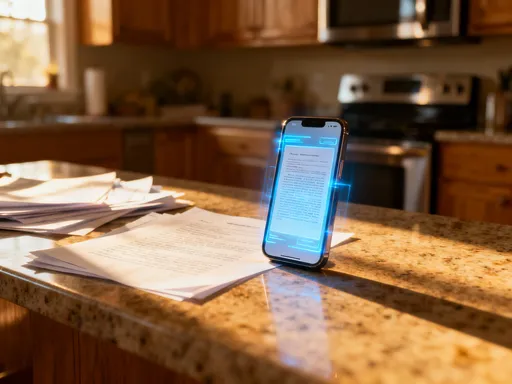
The first thing I scanned was a handwritten grocery list my partner had left on the fridge. I opened the app, tapped the camera, and snapped a photo. Within seconds, the messy handwriting turned into clean, editable text. I could copy it, send it, even check items off. I stared at my phone, stunned. It wasn’t perfect — a few words were misread — but it was close enough. Then I tried something bigger: a printed email with my daughter’s after-school program schedule. I scanned it, and the app didn’t just save the image — it pulled out the dates and times and asked if I wanted to add them to my calendar. I said yes, and just like that, reminders popped up on both our phones.
That’s when it hit me: this wasn’t just about storing paper. It was about memory. The app was remembering what I couldn’t — dates, names, details. It wasn’t replacing me; it was supporting me. I didn’t have to be the family’s only mental filing cabinet anymore. I could offload some of that stress. And the best part? It didn’t demand perfection. If a photo was crooked, it straightened it. If lighting was bad, it adjusted. If the document was crumpled? It still worked. It felt like a helper who didn’t judge, didn’t complain, just quietly did its job. For the first time, tech wasn’t something I had to figure out — it was something that figured me out.
Turning Chaos into Clarity: One Scan at a Time
We started with the kitchen counter. That was ground zero — the land of sticky notes, expired coupons, and forgotten flyers. I cleared everything off, sorted it into piles: bills, school, medical, receipts, to-dos. Then, one by one, I scanned them. The app used something called OCR — optical character recognition — which sounds fancy, but really, it just means the software can "read" text in images. So when I scanned a bill, I could later search for "electricity" or "due date" and find it instantly. No flipping through folders. No guessing.
The real game-changer was searchability. I used to waste so much time asking, "Has anyone seen the insurance letter from last month?" Now, I just open the app and type "insurance." Boom — there it is. My partner stopped sending me panicked texts asking if I’d seen a form. We both had access, so there was no "I thought you had it" blame game. Even better, the app learned over time. The more I scanned school-related documents, the better it got at recognizing them and suggesting tags like "homework" or "field trip."
One night, my son needed a vaccination record for a summer camp application. In the past, this would’ve meant tearing apart the house, calling the pediatrician, maybe even rescheduling. This time, I opened the app, typed "vaccination," and found the scanned copy in seconds. I emailed it from my phone while he packed his bag. His eyes lit up. "You’re a wizard," he said. I laughed, but inside, I felt a quiet pride. This wasn’t magic — it was just smart tech working quietly in the background, giving me my time and sanity back.
Sharing Without the Stress: Real-Time Access for Everyone
At first, I was the only one using the app. I scanned everything and felt like a hero — until my partner needed a document I’d already stored. He didn’t know how to find it. I realized: if only one person controls the system, it doesn’t really solve the problem. So we set up a shared family folder. The app synced across all our devices — my phone, my partner’s, even our teen’s. When I scanned the car’s maintenance record, he saw it instantly. When she needed a sports physical form, she pulled it up herself. No more printing, no more "Mom, can you email that to me?"
We kept the system simple. We used just three main tags: "Kids," "Medical," and "Finance." Under "Kids," we had sub-tags like "School," "Activities," and "Travel." For "Medical," we included doctor notes, prescriptions, and insurance cards. "Finance" held bills, warranties, and tax-related documents. Each of us could add files, rename them, or tag them our own way. My daughter liked to name things "Important!!!" with three exclamation points. I didn’t care — as long as she could find it, it worked.
The shift was subtle but powerful. Organization stopped feeling like something I imposed on the family and started feeling like something we did together. My partner began scanning his own work receipts. My teen started saving her volunteer hours and school project drafts. We weren’t just storing paper — we were building a shared memory bank. And because everything was searchable, no one felt left out or confused. When the school sent a new policy update, I scanned it and tagged it "School Rules." Later, when my son argued he didn’t have to wear a uniform, I pulled it up and said, "Let’s check." He groaned, but he complied. Even small wins like that made me realize how much clarity this brought to our daily lives.
From Scanned Pages to Smoother Routines
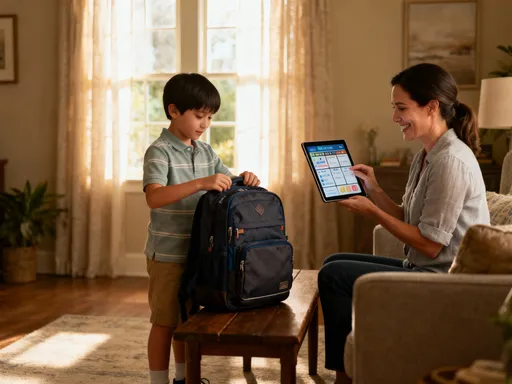
The impact went beyond just finding documents. It started changing how we moved through our days. Mornings used to be chaotic — "Where’s my lunchbox?" "Did you sign my spelling test?" "What’s for dinner?" Now, I project our weekly schedule from my phone onto the kitchen wall using a simple app feature. The kids see their activities, I see my meetings, and my partner sees his gym time. It’s not fancy, but it’s clear. No more double-booking, no more surprises.
Doctor visits became less stressful. Instead of scrambling to remember my daughter’s allergy history or my mom’s medication list, I had it all in one place. I could pull up her immunization record, her last blood test, even a note from the dermatologist — all in seconds. The doctor was impressed. "Most patients can’t recall half of this," she said. I smiled and said, "I’ve got a good assistant."
Even meal planning got easier. I used to tear recipes out of magazines and lose them by Tuesday. Now, I scan them. The app extracts the ingredients and turns them into a shopping list. I can edit it, add extras, and share it with my partner. When we’re at the store, we both see the same list, check off items in real time, and avoid buying duplicates. It sounds small, but these little efficiencies added up. We spent less time managing tasks and more time actually being together — playing board games, cooking dinner, just talking. That’s the real win: not just less paper, but more presence.
Making It Work for Real Life (Not Just Tech Lovers)
I’ll be honest — I didn’t think my parents would ever use this. My mom still calls the internet "the Google," and my dad thinks emojis are a fad. But when I showed them how to scan their medication schedules and travel documents, something clicked. I didn’t say "OCR" or "cloud sync." I said, "Imagine never losing your passport again." I showed them how to take a photo of their prescription list and find it instantly when the pharmacist asks. My mom started scanning her knitting patterns. My dad saved his fishing licenses. They didn’t need to understand the tech — they just needed to see the benefit.
That’s the key for any family: start small. Don’t try to scan 300 pages in one night. Pick one drawer. One category. Maybe it’s school papers. Maybe it’s medical stuff. Scan five things. Get used to the rhythm. Let each person use the system in their own way. My son likes to scan his baseball stats and tournament schedules. My daughter saves her art contest entries. It doesn’t matter how they use it — as long as it feels useful, not forced.
And don’t aim for perfection. Some scans are blurry. Some names are misspelled. That’s okay. The goal isn’t a flawless digital archive — it’s a functional, forgiving system that reduces stress. If you miss a paper, it’s not a failure. Just scan it when you find it. The beauty of this tool is that it grows with you. It adapts. It remembers. And over time, it becomes invisible — not because it’s gone, but because it’s just part of how you live.
More Than Paper: Reclaiming Time, Trust, and Calm
What started as a fix for clutter became something deeper. We stopped blaming each other for lost papers. We stopped feeling guilty for dropping the ball. We started trusting that the system had our backs — and that we had each other’s. That shift in energy? It’s hard to describe, but you’d recognize it if you felt it. It’s the calm after the storm. It’s the breath you didn’t know you were holding.
I used to think being a good mom, a good partner, meant remembering everything. I carried that weight like a badge of honor. But now I see that true strength isn’t in holding it all together — it’s in knowing when to let go. This tool didn’t make me less capable. It made me more human. It gave me space to breathe, to listen, to be present. And that’s changed everything.
Technology, at its best, shouldn’t impress us with its complexity. It should disappear into the background, quietly making life easier. It should help us care for each other better, not distract us from it. This scanning app didn’t just organize our papers — it organized our peace. It gave us back time, trust, and a little more joy in the everyday. And if you’re still digging through piles, asking "Where’s that paper?" — know this: you’re not failing. You just haven’t found your quiet helper yet. And when you do? It might just change your family’s life, one scan at a time.