Beyond the thermostat: How smart tools cut my bills without changing my life
Have you ever turned off the lights and still felt like you’re wasting energy? I did—until I discovered how simple tech tweaks could save me money without asking me to live like a monk. It’s not about living colder or darker; it’s about smarter choices behind the scenes. These tools work while you sleep, adapt when you’re busy, and help your home feel just right—without the guilt or high bills. I’m not a tech expert. I’m a mom, a wife, someone who forgets to close the garage door and once left the oven on while rushing to pick up the kids. But over the last few years, I’ve slowly transformed my home into a smarter, more efficient space—not by overhauling my life, but by letting technology quietly do the heavy lifting. And the best part? I didn’t have to learn coding, buy a dozen gadgets at once, or spend my weekends reading manuals. This is about real life, real savings, and real peace of mind.
The Moment I Realized My Home Was Working Against Me
I used to think saving energy meant sacrifice—wearing sweaters indoors, timing showers, or unplugging everything by hand. But one high electric bill made me question: what if my house could help me instead of fight me? That’s when I started looking into energy optimization tools. Not futuristic gadgets, but simple, smart devices that learn your habits. They don’t demand change—they adapt to you, quietly reducing waste. This shift in mindset—from effort to ease—was the first real step toward savings.
I remember opening that bill and doing a double-take. It was nearly double what I paid the same month the year before. I hadn’t added a new appliance. I hadn’t hosted a holiday party or run the AC nonstop. So what changed? I started thinking about all the little things: the coffee maker left on, the hallway light that stayed on all night, the TV in standby mode, the thermostat set to 68 even when no one was home. These weren’t conscious choices—they were just habits, oversights, the kind of things that pile up when you’re busy with life. I realized my home wasn’t working with me; it was running on its own, like a car left idling in the driveway.
That’s when I started researching smart home tools—not because I wanted a futuristic house, but because I wanted a house that didn’t drain my wallet and my energy. What surprised me most was how many of these tools are designed for people like me: not tech-savvy, not looking to build a robot home, just someone who wants things to run smoother. The real game-changer wasn’t the gadgets themselves, but the shift in thinking. Instead of asking, “What should I stop doing?” I started asking, “What can my home do for me?” That small mental flip made all the difference.
Starting Small: The One Tool That Made the Biggest Difference
I didn’t overhaul my home overnight. I began with a single smart plug—something I could try without commitment. Plugged into my coffee maker, it learned when I usually brewed and turned off automatically. No more “did I leave it on?” anxiety. That tiny win led to bigger ones: smart power strips for the entertainment center, automated lighting in unused rooms. Each step required almost no effort, yet the savings stacked up. The key? Choose tools that integrate seamlessly, not ones that demand daily attention.
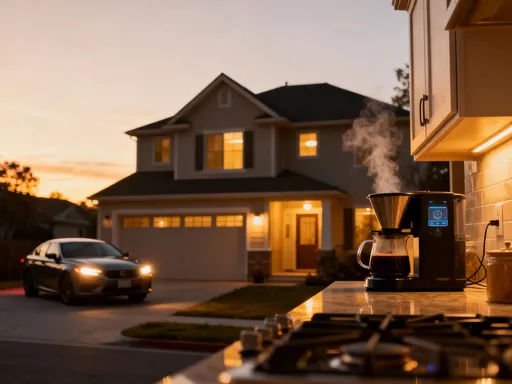
My first smart plug cost less than $20 and took five minutes to set up. I just plugged it into the wall, plugged my coffee maker into it, and connected it to an app on my phone. Then I told it: “Turn on at 6:30 a.m., turn off at 8:00 a.m.” It didn’t even need to learn—just a simple schedule. But the peace of mind was huge. No more wondering if I’d left it on. No more rushing back to unplug it. And over time, I realized how much energy small appliances use even when they’re not actively brewing. That little device cut my coffee maker’s energy use by 90%.
That success gave me confidence. I started looking at other “phantom load” areas—places where energy was being used without purpose. The entertainment center was a big one. We’d turn off the TV, but the cable box, game console, and sound system would stay in standby mode, sipping electricity all night. A smart power strip solved that. It cuts power to secondary devices when the main one (the TV) is turned off. No more vampire energy. And again, zero effort on my part. It just works.
Then came smart lighting. I didn’t go all-in—no, I didn’t replace every bulb in the house. I started with the basement and the guest bathroom—places we often left lights on by accident. Motion-sensing bulbs turn on when someone walks in and off after 10 minutes of no movement. My teenage son, who once left the basement light on for two days straight, hasn’t complained once. In fact, he thinks it’s kind of cool. And I’ve cut lighting costs in those areas by more than half. The lesson? Start small, solve real problems, and let the momentum build.
Why Most People Fail Before They Even Begin
Many give up because they expect instant results or try to do too much at once. I almost did too. One friend bought five smart devices in a weekend—and spent days frustrated with setup. Another expected 50% savings in a month. Real progress comes from consistency, not intensity. The mistake? Treating this like a tech project instead of a lifestyle upgrade. Success isn’t about how many devices you own, but how well they work with your routine. Start with one pain point—like forgetting to turn off the AC—and solve that.
I’ve seen so many women—just like me—get excited about smart homes, buy a bunch of gadgets, and then give up when things don’t work perfectly right away. One friend installed a smart thermostat but never set the schedule. Another bought a voice assistant but only used it once because she couldn’t figure out how to link her lights. The problem isn’t the technology—it’s the approach. We treat it like a big project, something that needs to be finished, instead of a gradual improvement.
Here’s what I’ve learned: don’t try to do it all. Pick one thing that bugs you—something that makes you say, “I wish I didn’t have to think about this.” For me, it was the AC. I’d leave it on all day, even when the house was empty. So I got a smart thermostat. I didn’t need to reprogram my life. I just let it learn. Within a week, it knew when we were home, when we were out, and adjusted the temperature accordingly. No more hot house when we got home, no more wasted cooling when no one was there. And my bill dropped by 18% that month.
The key is to treat this like any other habit change—go slow, celebrate small wins, and don’t expect perfection. You don’t have to automate your whole house in a week. You don’t even have to use every feature. Some of my devices I set up once and haven’t touched since. That’s the goal: tools that disappear into your life, not dominate it. And when you start seeing results—real savings, real convenience—you’ll naturally want to add more. But let it be driven by need, not novelty.
The Hidden Trap: Devices That Waste Energy While “Saving” It
Not all smart devices are created equal. I once installed a “smart” air purifier that used more power on standby than it saved during use. The lesson? Always check energy ratings and real-world usage. Some gadgets connect to Wi-Fi but offer no real automation—just remote control, which rarely changes behavior. Look for tools with true learning features or scheduling that runs without your input. Simplicity beats complexity every time.
This was a hard lesson. I got excited about a “smart” air purifier I saw online—voice control, app alerts, auto mode, the works. I thought, “This will keep my home healthy and efficient.” But after a few weeks, I noticed my energy usage wasn’t going down. In fact, it was slightly up. I checked the specs and realized this thing used 45 watts on standby—just to stay connected to Wi-Fi and listen for voice commands. That’s almost as much as it used when running! I switched it out for a simpler model with a timer and manual controls. It doesn’t do as much, but it actually saves energy instead of pretending to.
That taught me to be more careful. Now, before I buy any smart device, I ask three questions: Does it use energy when idle? Does it automate something I already forget to do? And can I set it and forget it? If the answer to any of those is no, I keep looking. I’ve also learned to ignore flashy features. Voice control sounds cool, but if I’m not going to use it daily, it’s just a power drain. Same with color-changing lights or complex app interfaces. I want tools that solve problems, not create new ones.
Another red flag: devices that require constant attention. I tried a smart garden system once—supposed to water my herbs and send me alerts. But it needed weekly app updates, Wi-Fi checks, and calibration. After a month, I gave up and went back to a simple timer. The lesson? The best smart tools are the ones you forget about. They work in the background, without drama, without demands. If a device needs more care than a houseplant, it’s probably not worth it.
How to Set It and Forget It (Without Forgetting the Savings)
The best tools require setup once and then disappear into your life. A smart thermostat learns your schedule in a week and adjusts on its own. Motion-sensing lights turn off when no one’s around—no habits to build. The goal isn’t to monitor every device but to trust them. I check my energy app once a month now, not daily. That’s the real win: peace of mind, not micromanagement.
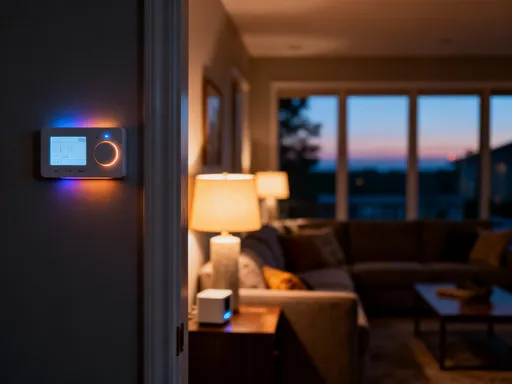
My smart thermostat is the perfect example. I set it up on a Saturday morning, answered a few questions in the app, and let it run. It asked things like, “What time do you usually wake up?” and “Is the house empty during the day?” I gave rough answers—no need to be exact. Within five days, it started making adjustments on its own. Now, it knows that on school days, we wake up at 6:45, leave by 7:30, and come back around 5:30. It cools the house just before we get home, so it’s comfortable but not over-chilled. On weekends, it stays warmer in the morning because we like to sleep in.
And here’s the thing: I haven’t changed my routine. I didn’t have to train myself to remember to adjust the temperature. The house adjusted to me. I don’t even think about it anymore. That’s the kind of technology I love—quiet, reliable, invisible. I get a monthly email from my energy provider showing usage trends, and I can see the difference. Last winter, my heating costs were 22% lower than the year before, even though it was colder.
Same with my outdoor lights. I used to forget to turn them off in the morning, especially in winter when it’s still dark when I leave. Now, they’re on a smart timer that syncs with sunrise and sunset. They come on at dusk, go off at dawn. No effort, no guilt, no wasted energy. And when we go on vacation, I can turn them off remotely—just in case. But honestly, I don’t even worry about it much anymore. That’s the real benefit: not just savings, but freedom from worry.
Beyond Savings: How My Home Feels Safer and More Comfortable
It’s not just about money. My home now adjusts to weather changes, sends alerts if something’s unusual, and keeps a steady temperature. I sleep better knowing the water heater shuts off when we’re away. My kids come home to a warm house, not a cold one. The emotional payoff—less stress, more comfort—was unexpected but deeply valuable.
I didn’t realize how much mental energy I spent managing the house until I didn’t have to anymore. Before, I’d lie in bed wondering, “Did I lock the back door?” or “Is the iron still on?” Now, my smart door lock sends me a notification if it’s not secured by 10 p.m. My smart outlets can be turned off remotely, so if I forget to unplug the iron, I can do it from my phone. These aren’t just conveniences—they’re stress relievers.
And comfort has improved too. My daughter has asthma, and keeping the humidity steady is important. A smart humidifier I added last year monitors the air and adjusts automatically. It doesn’t run all the time—just when needed. She’s had fewer flare-ups this year, and I can’t help but think the consistent air quality is part of it. I don’t track every data point, but I notice the difference. The house feels calmer, more balanced.
When we go on vacation, I used to worry about pipes freezing or a water leak. Now, I have a smart water sensor under the sink and near the washing machine. If it detects moisture, I get an alert right away. I also set the thermostat to keep the house above 55 degrees in winter, even when we’re gone. Last January, we were away for a week, and the temperature dropped to 10 below outside. My system kept the house safe, and I didn’t have to lift a finger. That kind of security? It’s priceless.
Building a Smarter Home Without Stress: My Step-by-Step Rule
I follow a simple rule: only add tech that solves a real problem I already have. No shiny gadgets just because they’re new. I ask: does it save time, energy, or worry? If not, I wait. Over time, these small choices added up to a home that feels lighter, smarter, and more in sync with how we live. It’s not perfection—it’s progress, one quiet improvement at a time.
When I see a new smart device advertised, I don’t rush to buy it. I ask myself: do I actually need this? Will it make my life easier, or just busier? I used to fall for the “cool factor,” but not anymore. Now, I wait until I feel the pain point. For example, I didn’t get a smart garage door opener until I left it open three times in one month. That’s when I knew it was time. Now, I get a notification if it’s left open after 9 p.m., and I can close it from bed. Problem solved.
This slow, intentional approach has made all the difference. My home isn’t full of gadgets—it’s full of solutions. Each device has a purpose, a reason for being there. And because they’re solving real problems, I actually use them. I don’t have a single device that sits unused in a drawer. That’s the kind of smart home I wanted—one that supports my life, not complicates it.
And the savings? They’ve added up. My electricity bill is down 27% over the past year. My gas bill is down 19%. I didn’t make big sacrifices. I didn’t stop using the dryer or turn off the heat. I just let technology handle the inefficiencies I couldn’t manage on my own. And the best part? I don’t feel like I’m living in a lab. I’m still me—same routines, same family chaos, same love for a warm house and hot coffee. But now, it all happens with less waste, less worry, and less cost.
So if you’re thinking about trying smart home tools, start where it hurts. Pick one thing that drives you crazy, one thing you wish you didn’t have to think about, and find a simple, reliable solution. Don’t aim for a high-tech mansion. Aim for a home that works for you. Because the real magic isn’t in the gadgets—it’s in the quiet moments of relief, the small sighs of “I don’t have to worry about that anymore.” That’s the kind of comfort money can’t buy—but smart choices can.”