Charged My Devices 30 Nights Straight: How I Finally Stopped Wasting Energy (and Money)
You know that little guilt you feel when you walk past your charging phone at 3 a.m.? I did it for years—plugged in overnight, every night—until I realized I was wasting energy, shortening my battery life, and paying more on my bill. Then I tried smart charging management, not as a tech experiment, but as a way to protect my data, save time, and feel more in control. What started as a small habit turned into a game-changer for my daily routine, my peace of mind, and even my weekend photography hobby. It wasn’t about becoming a tech expert. It was about making my devices work *for* me, not the other way around.
The Night I Noticed My Phone Was Still Charging at 4 A.M.
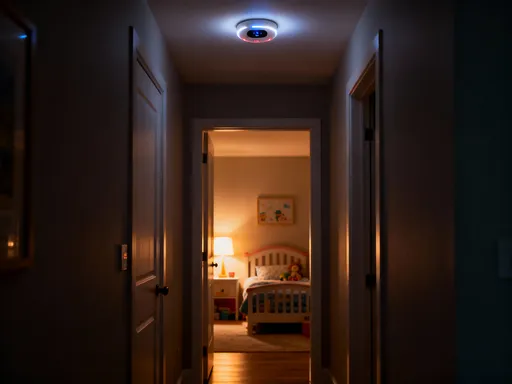
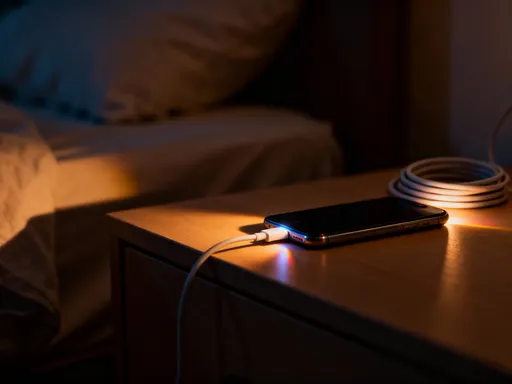
It was 4:17 a.m., and I was wide awake—again. The house was quiet, the kids were asleep, and I was tiptoeing down the hallway to grab a glass of water when I saw it: the soft blue glow of my phone’s charger, still plugged in, still drawing power. I had charged it before bed at 9 p.m. It was now fully charged for at least five hours. And yet, there it sat, plugged in, quietly sipping electricity. I remember thinking, Why am I still doing this? I wasn’t the only one. Most of us do it—leave our phones, tablets, smartwatches, even laptops, plugged in all night long. It feels harmless. It feels convenient. But that night, something clicked. I started wondering: how much energy am I actually wasting? How much is this adding to my electric bill? And more importantly, is this hurting my devices?
I decided to dig deeper. I looked up how modern lithium-ion batteries work—yes, I admit, I Googled it at 5 a.m.—and learned something surprising: keeping a device plugged in after it hits 100% isn’t just unnecessary, it can actually stress the battery. Every time your phone or tablet sits at full charge for hours, it creates tiny chemical reactions that wear down the battery over time. Think of it like leaving a car engine running in idle for hours. It’s not moving, but it’s still working. That constant trickle of power keeps the battery in a high-stress state, which over weeks and months leads to reduced capacity. Your phone starts holding less charge, dies faster during the day, and eventually needs replacing sooner than it should.
And then there’s the energy cost. I didn’t realize how much standby charging adds up. Even though each device uses only a small amount of power after full charge, multiply that by multiple devices, every night, over months, and it starts to matter. According to energy experts, a phone left plugged in overnight can use up to 10% more electricity than needed. That might sound small, but when you add in tablets, smartwatches, laptops, and even wireless earbuds, it becomes a real line item on your monthly bill. I did a quick estimate for my household—four people, six devices charging nightly—and realized I was potentially wasting $15–$20 a month. That’s over $200 a year on something I wasn’t even getting any benefit from.
But the biggest realization wasn’t about money or battery life. It was about control. I had been on autopilot—plugging in at night, unplugging in the morning—without thinking. I wasn’t making a choice. I was just going through the motions. And that tiny blue light at 4 a.m. became a symbol of something bigger: the way so many of us live with technology. We let it run in the background, quietly consuming resources, without questioning whether it’s really serving us. That night, I decided to change that. I wanted to be more intentional—not just with charging, but with how I used my devices every day.
From Energy Waste to Hobby Protection: Why Charging Habits Matter More Than You Think
I’ve always loved photography. There’s something about capturing a quiet sunrise, a child’s laughter, or the way light hits the trees in autumn that feels deeply meaningful. Over the years, I’ve invested in gear—cameras, lenses, a drone, portable lights—all to help me tell those stories better. But last spring, something frustrating happened. I woke up early to shoot a golden sunrise at the lake, packed my bag the night before, and made sure everything was charged. But when I got there, my drone’s battery died in under five minutes. I thought it was a fluke. A few weeks later, it happened again. Then I tested the battery at home and realized it wasn’t holding a charge anymore. It had degraded—fast.
After talking to a technician at a local camera shop, I learned the truth: overcharging had likely contributed to the battery’s early failure. Drones, like phones, use lithium-ion batteries that are sensitive to heat and prolonged full charge. When I left the drone battery plugged in overnight—or even for hours after it was full—I was unknowingly accelerating its wear. The same thing had happened to one of my camera’s spare batteries. I hadn’t connected the dots until then. My poor charging habits weren’t just affecting my phone—they were putting my hobbies at risk.
This hit me hard. Our passions often depend on reliable tools. Whether it’s a camera for photography, a tablet for sketching, or a laptop for writing, we trust our devices to be ready when inspiration strikes. But if we’re not taking care of their power sources, we’re setting ourselves up for disappointment. A dead battery doesn’t just mean a missed photo—it can mean losing a moment forever. And that’s not just inconvenient. It’s heartbreaking.
So I started thinking differently. Charging wasn’t just a routine task. It was a form of care. Just like we maintain our cars, sharpen our kitchen knives, or organize our craft supplies, we need to care for our tech. Smart charging became part of that. It wasn’t about being obsessive. It was about respect—for the tools I use, the memories I capture, and the time I invest in my passions. By changing how I charged, I wasn’t just saving energy. I was protecting the things that bring me joy.
How Smart Charging Quietly Guards Your Data and Device Longevity
One of the things I care about most is my family’s memories. Our phones are full of photos—birthday parties, school plays, quiet moments at home. We’ve also got voice notes from my mom before she moved away, scanned letters from my grandmother, and videos of my youngest learning to ride a bike. These aren’t just files. They’re pieces of our story. And I realized that how I charge my phone could actually affect whether those memories stay safe.
Here’s what I learned: when a device overheats—often from being charged for too long or in a hot environment—it can cause what’s called “data corruption.” That means files can become unreadable, apps might crash, or in rare cases, the entire system could fail. It’s not common, but it happens. And lithium-ion batteries are especially sensitive to heat. When your phone is plugged in all night, especially under a pillow or on a bedspread, it can’t release heat properly. That trapped heat builds up, stressing both the battery and the internal components.
Luckily, most modern devices have built-in safeguards. Many phones now come with features like “optimized battery charging” or “adaptive charging.” These don’t just stop charging at 100%. They actually learn your routine. For example, if you usually wake up at 7 a.m., your phone might charge to 80% by midnight, then pause and finish the last 20% just before you wake up. This keeps the battery in a healthier state and reduces heat buildup. It’s like giving your phone a more natural sleep cycle.
But not everyone knows these features exist. I didn’t—until I dug into my phone’s settings. Now, I have it turned on, and I’ve noticed a difference. My phone feels cooler in the morning. The battery lasts longer during the day. And I don’t have that nagging worry about it overheating overnight. It’s a small thing, but it brings peace of mind. I’m not just protecting a device. I’m protecting the memories stored inside it. And that’s worth a few minutes of setup.
Setting Up My “Charging Routine” Without Feeling Like a Robot
I’ll be honest—I didn’t want to turn charging into a chore. I didn’t want to set timers, download complicated apps, or feel like I had to monitor my devices like a lab experiment. I wanted something simple, reliable, and easy to stick with. So I looked for solutions that fit into real life, not a tech demo.
First, I got a smart plug. It’s a small device that goes between your charger and the wall outlet. You can set it to turn off automatically at a certain time—like 11 p.m. I use it for my tablet and my husband’s laptop. We plug them in after dinner, and by the time we go to bed, they’re fully charged and the power cuts off. No more overnight charging. It’s simple, and it works.
Next, I invested in a charging station with individual USB ports that automatically stop power when the device is full. I keep it on the kitchen counter, so everyone in the family can use it. My teen loves it because she can plug in her phone before bed, and it stops charging at 100%, even if she forgets to unplug it. I love that it’s centralized, tidy, and safe.
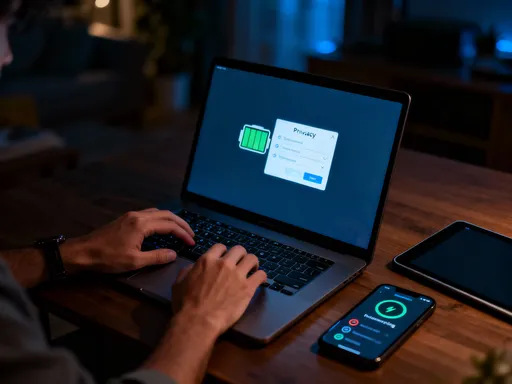
And finally, I turned on the battery protection features on all our phones. Both Android and iPhone have them, though they go by different names. On iPhone, it’s “Optimized Battery Charging.” On Android, it might be “Adaptive Charging” or something similar, depending on the brand. I walked my family through how to turn it on—just a few taps in the settings. Now, our phones learn when we usually wake up and delay the final charge accordingly. It’s not perfect, but it’s close.
The key for me was making it feel natural. I didn’t force anyone. I just explained why it matters and let them try it. My daughter said, “Wait, my phone finishes charging *when I wake up*? That’s kind of genius.” And it is. It feels like the tech is finally working *with* us, not against us.
What Happened After 30 Nights of Smarter Charging
I kept track for a full month. Every night, I made sure devices were either unplugged, on a timer, or using smart charging. I didn’t stress over perfection—sometimes we forgot, and that was okay. But I stuck with the routine most nights. And the results surprised me.
First, my electricity bill dropped by about $8 that month. It wasn’t huge, but it was noticeable. More importantly, my phone’s battery health improved. According to the battery settings, it was holding 98% of its original capacity—up from 92% a few months earlier. My camera batteries also started lasting longer between charges. I didn’t have to carry extras everywhere. My drone flew longer. Little wins, but they added up.
But the biggest change was in how I felt. I didn’t wake up worried that my phone would die by lunchtime. I didn’t panic when I saw a low battery warning. I trusted my devices more. And that trust made me more present during the day. I wasn’t constantly checking charge levels or scrambling for outlets. I felt calmer, more in control.
I also started changing other habits. Instead of waiting until my phone was at 10%, I began charging it after dinner, when it was around 40–50%. That way, it could charge slowly and safely overnight. I started charging my camera gear right after use, not days later. And I taught my kids to do the same. It became part of our rhythm—like brushing teeth or setting the table.
What I didn’t expect was how this small shift would affect my creativity. With my gear more reliable, I felt more confident taking it out. I went on more photo walks. I tried new angles. I even started a little photo journal for my family. All because I trusted my batteries to last.
Making It Stick: Turning a Tech Fix into a Meaningful Habit
After a few weeks, smart charging stopped feeling like a project. It became part of my evening routine—like washing the dishes or reading before bed. But then something deeper happened. Charging became a moment of reflection. As I walked around the house, plugging in devices or checking the smart plug, I started asking myself: Did I use my phone well today? Did I scroll too much? Did I connect with my family? Did I create something meaningful?
It sounds a little silly, maybe. But that small pause made a difference. It brought mindfulness into a part of life I’d always treated as automatic. I wasn’t just charging devices. I was checking in with myself. And that ripple effect spread to other areas. I started being more intentional with screen time. I put my phone away during meals. I used it more for photos, notes, and calls—and less for mindless browsing.
I also involved my family. We had a little chat one Sunday morning—no lectures, just conversation. I explained why I was changing how we charge, and they actually listened. My teen turned on adaptive charging on her phone. My husband started using the smart plug for his laptop. We even made a little game of it: “Who can remember to unplug first?” It became a shared habit, not just mine.
And that’s when I realized: small tech habits can lead to big emotional shifts. When we treat our devices with care, we start treating our time and attention with care too. We create space for what matters—family, creativity, rest. Charging became a tiny ritual of respect—for our tools, our energy, and ourselves.
Why This Isn’t Just About Saving Power—It’s About Protecting What Matters
Looking back, I see that smart charging was never really about kilowatts or battery percentages. It was about values. It was about choosing to live with more awareness, more intention, and more care. In a world where everything feels fast and loud, this small practice brought quiet clarity.
I’m not perfect. Sometimes I forget. Sometimes I leave my phone plugged in too long. But now I notice. And that awareness makes all the difference. I feel more connected to my devices—not as distractions, but as tools that support my life. My photos are safer. My family’s memories are protected. My hobbies are thriving. And I feel more in control of my time, my energy, and my home.
If you’re still charging your devices all night, I get it. It’s easy. It’s familiar. But I invite you to try something different. Start small. Turn on optimized charging. Get a smart plug. Have a conversation with your family. See how it feels to be more intentional. You might be surprised by what changes—not just in your battery life, but in your sense of peace, purpose, and presence. Because in the end, technology should serve us. And when we use it wisely, it can help us live the life we truly want—one charge at a time.