Tracked 500 Miles on Foot Without Trying: The App That Quietly Improved My Health
Walking into my kitchen one morning, I caught my reflection in the microwave door—slouched, sleepy, and holding a coffee like it was a lifeline. I hadn’t stepped on a scale in months, but I felt heavier. Not just physically, but mentally. That day, I opened a map app I’d used for years to avoid traffic—and accidentally discovered it had been tracking my walks, counting stairs, even guessing my mood from movement. It wasn’t built for health, yet it made me healthier. This is how a tool meant for directions quietly reshaped my body, routine, and self-awareness—one unnoticed step at a time.
The Accidental Habit: How I Started Moving More Without Realizing It
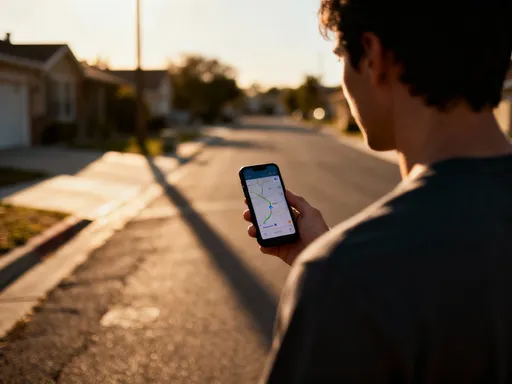
Like so many women juggling family, work, and the endless to-do list, my mornings used to begin with a mental checklist: breakfast for the kids, lunch to pack, a work email I forgot to send. Exercise? That was something I’d “get to” when life slowed down. But life never slows down, does it? Then one Tuesday, I opened the navigation app on my phone to find the fastest route to the grocery store. Instead of the usual highway path, it suggested a slightly longer one—less traffic, it said. I took it. And because the sidewalk was clearer and the light was green, I ended up walking the last block instead of circling for parking. The app marked the detour with a little blue line, and later showed me I’d walked 1,200 steps that trip—up from my usual 400. I didn’t think much of it. But the next time, I noticed the app again highlighting a walking-friendly path. I started taking it. Then another. Soon, I was parking at the far end of the lot “just in case,” and walking up the stairs at the mall instead of riding the escalator. I wasn’t trying to exercise. I was just… choosing easier options that happened to move my body. And the app quietly recorded it all—no judgment, no pressure. Just data. Over time, those small choices added up. A few weeks in, I checked the app’s weekly summary and gasped: 45,000 steps. That’s over 20 miles—without a single gym session. I hadn’t even noticed.
What surprised me most was how natural it felt. I didn’t have to wake up early for a workout or squeeze in squats between laundry loads. This wasn’t about discipline. It was about design. The app didn’t ask me to change who I was—it just gave me options that fit my life. And because it felt effortless, I kept going. I started noticing how I felt after those little walks: lighter, more awake, less tense. My shoulders didn’t ache as much. My mood lifted. I wasn’t chasing a number. I was just moving—and my body was thanking me for it.
From Navigation to Nudges: How Route Apps Learn to Coach You
Here’s the thing about modern route apps—they’re not just dumb maps anymore. They’ve gotten smart. Really smart. They know how fast you walk, how often you take the stairs, even whether you tend to choose shaded paths on sunny days. Mine started doing something subtle: it began suggesting options that weren’t just faster, but better for moving. “This scenic route saves 2 minutes,” it would say. Or, “You walked this way yesterday—try it again?” At first, I thought it was just a glitch. But then I realized: it was learning me. It wasn’t pushing me to run a 5K or hit a step goal. It was simply aligning with my rhythm and offering small, doable choices. And because the suggestions felt neutral—like a friendly tip from a neighbor—they didn’t trigger resistance. I didn’t feel scolded. I felt supported.
One rainy afternoon, I was heading to pick up my daughter from soccer practice. The app showed two routes: one fast, one longer but with a covered walkway. I took the covered one. Later, it noted, “You chose comfort today—smart move.” I laughed. It felt like the app was noticing me—not just my location, but my mood, my needs. It wasn’t trying to turn me into an athlete. It was helping me move in a way that made sense for me. Over time, I began to trust its suggestions. When it said, “Try walking partway and taking the bus the rest?” I did. When it highlighted a park path instead of a busy street, I followed. These weren’t big changes. But they added up. And the more I moved, the more the app adapted—like a quiet partner in my day, helping me stay in motion without making a fuss.
Numbers That Don’t Judge: Seeing Health Through Movement Data
I’ll be honest—I’ve never liked fitness trackers. The constant buzzing, the red alerts when I didn’t hit 10,000 steps, the way it made me feel like I was failing if I sat too long. It turned movement into a test I was always at risk of failing. But this app was different. It didn’t shame me. It didn’t set goals I didn’t ask for. Instead, it showed me my walks as colorful lines on a map—green for steady pace, yellow for slow, red for rushed. Sometimes, it added little notes: “You were in a hurry here,” or “Nice slow pace—enjoying the view?” It felt kind. Curious, not critical.
One morning, I looked at my weekly map and saw a pattern: every Tuesday and Thursday, a long green line stretched from my house to the library, then looped back. I hadn’t planned those walks. They just happened—drop-off, errand, return. But seeing them laid out like that made me realize: I was moving. Regularly. Without effort. The app didn’t show calories burned or heart rate. It showed presence. It showed me where I’d been, how I’d moved, and—most importantly—how it fit into my day. I stopped seeing my body as something that needed fixing. Instead, I saw it as something that was already doing its best. The data wasn’t about perfection. It was about awareness. And that shift—small as it sounds—changed everything. I wasn’t trying to “get healthy.” I was simply noticing how I lived. And in that noticing, I found room to grow.
Walking as Thinking Time: The Mental Shift Behind the Steps
Here’s something no one tells you about walking: it clears your head. Not in a dramatic, epiphany kind of way. But in small, steady moments—like when you realize you’ve solved a problem without even trying, or when a worry that felt huge suddenly seems manageable. I started scheduling “walking meetings” with friends—no coffee, no agenda, just 20 minutes on the phone while we both walked. One friend said, “I used to dread our chats because I’d sit and spiral. Now, I look forward to them. I feel calmer.” I felt the same. My mind felt sharper, more focused. I stopped ruminating. I started deciding.
The app didn’t track my mood or mental clarity—those weren’t its job. But I connected the dots. When I moved, my thoughts moved too. Not faster, but better. More fluid. More connected. I began to see walking not as exercise, but as thinking time. A chance to untangle the day, to breathe, to just be. I’d walk after dinner, phone in hand, not scrolling, just listening to the sound of my steps. The app would later show the route—a looping blue line around the neighborhood—and I’d smile. That walk wasn’t about fitness. It was about peace. And in a world that never stops demanding, that peace became my quiet rebellion. I wasn’t just building strength in my legs. I was building resilience in my mind. The route app, designed to get me from point A to point B, had become a tool for mindfulness—without ever calling itself one.
Family Walks That Feel Effortless: How the App Connected Us
One weekend, I shared a route with my sister. “Follow the pink line through the park,” I texted. We weren’t meeting up—she was at her house, I was at mine—but we both opened the app and started walking the same path, miles apart. We called each other as we went. “I’m passing the fountain,” she said. “I see you!” I laughed, looking at her moving dot on the map. My niece, 10 years old, got excited. “Can I play too?” I created a little game: “Find all the blue dots along the path.” She did—and started a streak. The next week, she asked, “Are we doing the blue dots again?” What began as a silly idea turned into a weekly ritual. We weren’t “exercising.” We weren’t even trying to bond. We were just moving—separately, together.
Then my mom joined. She lives three states away, but she downloaded the app and started walking her neighborhood path every morning. I could see her route pop up on my screen—short, steady, consistent. Sometimes I’d send a voice note: “Love your path today—so peaceful.” She’d reply, “It’s my favorite time of day.” We weren’t having deep conversations. We weren’t sharing secrets. But we were sharing rhythm. And in that rhythm, we found connection. The app didn’t replace family time. It created a new kind—one that didn’t require planning, coordinating schedules, or even being in the same place. It just asked us to move. And in moving, we stayed close. That, to me, was the real win—not the steps, not the miles, but the quiet way technology helped us stay connected in a busy world.
Building a Habit That Sticks: Why Small, Silent Changes Last
I’ve tried every fitness trend—boot camps, meal plans, 30-day challenges. I’d start strong, then fade by week two. The problem wasn’t motivation. It was design. Those programs asked me to change everything at once—to be louder, stricter, more rigid. But real life doesn’t work that way. This habit was different. It didn’t announce itself. It didn’t demand attention. It grew in the background, like a plant I forgot I’d planted. No fanfare. No before-and-after photos. Just steady, quiet growth. And because it didn’t feel like a chore, I never quit.
The app didn’t force me to change. It simply reflected the changes I was already making. When I walked farther, it showed me. When I took the stairs, it counted them. It didn’t praise or punish. It just noticed. And in that noticing, I felt seen. That’s the power of gentle technology—when it fits so seamlessly into your life that you don’t even realize it’s helping. I learned that lasting habits aren’t built on willpower. They’re built on integration. When a change feels natural, it lasts. When it feels like effort, it fades. This wasn’t about discipline. It was about flow. And once I found that flow, everything else followed.
Your Route, Your Rhythm: Making Movement Personal and Sustainable
Looking back, I didn’t “transform” my health. I didn’t lose 20 pounds or run a marathon. But I did walk over 500 miles in six months—without trying. I didn’t set out to build a habit. I just let a tool help me move more naturally. And in that small shift, I found big rewards: more energy, clearer thoughts, deeper connections. The key wasn’t discipline. It was design. The app didn’t fight my life—it flowed with it. It met me where I was and helped me move, one step at a time.
Anyone can use a route app to avoid traffic. But few realize it can also help you avoid stagnation. It won’t replace a doctor’s advice or a good workout. But it can make movement part of your day—without adding one more thing to your list. That’s the quiet power of tech that understands life. It doesn’t shout. It doesn’t pressure. It simply shows up, learns your rhythm, and helps you live a little better—without making you feel like you have to do anything different. You just keep living. And as you do, it quietly supports you, step by step, mile by mile. And one day, you look up—and realize you’ve gone farther than you ever thought possible.