Tired of family chaos after school? This tool brought peace to our home
Raising kids in today’s fast-paced world can feel overwhelming—especially when everyone walks in the door tired, hungry, and out of sync. I used to dread those chaotic afternoons filled with forgotten homework, missed chores, and mounting tension. But everything changed when we started using a simple team communication tool designed for families. It wasn’t built for parenting, but it transformed ours. Now, my child checks in automatically, we share updates without nagging, and our evenings finally feel calm. What began as a small experiment turned into the quiet heartbeat of our household—a digital thread that keeps us connected, grounded, and kinder to one another.
The After-School Chaos No One Talks About
There’s a moment every weekday, just after 3:30 PM, when the front door swings open and a whirlwind rushes in. Backpacks drop like bombs. Shoes scatter like lost treasures. And somewhere in the middle of it all, a tired voice asks, “What’s for dinner?” That used to be the start of my anxiety spiral. I’d try to ask about homework, but the answer was always, “I don’t know,” or worse—silence. Chores? Forgotten. Snacks? Eaten in front of the tablet. And by the time I needed to know if there was a school form due tomorrow, I was already three rounds deep in a battle no one wins.
This wasn’t just messy. It was emotionally exhausting. I wasn’t just managing tasks—I was managing moods, memories, and miscommunications. I’d write notes on the fridge. I’d call out from the kitchen. I even tried a chore chart with stickers. But nothing stuck. The real issue wasn’t laziness or defiance. It was connection. We were all in the same house, but we weren’t on the same page. My daughter felt nagged. I felt ignored. And the afternoons that should have been a soft landing after a long day turned into a daily clash of unmet expectations.
It hit me one evening, after yet another tearful argument about unfinished math problems, that this wasn’t sustainable. I love being a mom. I love my child deeply. But I was losing patience, and with it, the joy of our time together. I knew we needed a shift—not in discipline, but in communication. We needed a way to stay in sync without the stress, to share information without the friction. I just didn’t know where to start.
How Work Tools Found Their Way Into Our Living Room
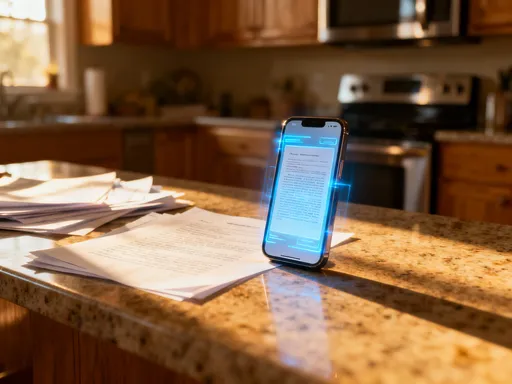
Ironically, the answer came from my laptop, not a parenting book. I manage a small team remotely, and we use a collaboration platform to stay organized. It’s where we assign tasks, share updates, and check in without cluttering each other’s inboxes. One afternoon, as I watched my team mark projects complete with a simple click, I had a thought: What if we did this at home? Not with all the corporate jargon, of course—but the core idea: a shared space where everyone could see what needed to be done, update their progress, and feel part of the team.
I didn’t expect it to work. I thought my daughter would roll her eyes. I thought it might feel too “work-like” for our cozy family life. But I was desperate enough to try. So I set up a private family space—no coworkers, no deadlines, just us. I created channels for different parts of our day: one for school, one for chores, one for family plans. I added a shared calendar, a to-do list, and a little space for fun messages. And then, I showed my daughter.
Her first reaction? “Wait, we’re using your work app?” But within minutes, she was adding emojis to her homework list and sending me a silly sticker when she finished brushing her teeth. That night, for the first time in weeks, I didn’t have to ask, “Did you do your reading?” She had already posted a photo of the book with a thumbs-up. I didn’t nag. She didn’t resist. And just like that, something shifted. The tool wasn’t replacing our relationship—it was supporting it. It gave us structure without stiffness, clarity without control.
From Confusion to Clarity: Structuring Our Family Day
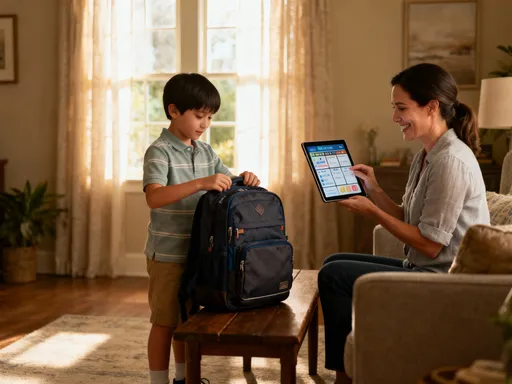
Once we had the space set up, the real work began: making it work for us. I didn’t want this to feel like a corporate dashboard. This was our home. So we customized it to feel warm, personal, and easy to use. We named our main channel “The Johnson Hub” (yes, we gave ourselves a team name—don’t judge). I added color-coded labels: blue for school, green for chores, pink for family fun. We used a shared board to track daily routines, like a visual checklist that lived on my phone and her tablet.
One of the biggest wins? The homework tracker. Every afternoon, she’d log in and see her assignments listed. When she finished one, she’d mark it complete and add a little emoji—sometimes a star, sometimes a dancing banana. I could see her progress in real time, but I didn’t hover. No more standing over her shoulder. No more, “Are you done yet?” Just a quick glance at my phone, and I knew she was on track. If she got stuck, she’d send a message: “Math is hard today.” And I’d reply, “Want to talk about it after snack?” Simple. Calm. Connected.
We also used the calendar feature to sync our lives. Soccer practice, dentist appointments, library day—everything went in. I’d add events in the morning, and she’d get a quiet notification. No more last-minute surprises. And when I had a late meeting at work, I’d update the plan: “Mom’s coming home at 6:30. Dinner is in the oven.” She knew. I didn’t have to repeat myself ten times. The tool became our shared memory, our family’s quiet conductor, keeping everyone in rhythm.
Building Independence Through Digital Check-Ins
One of the most unexpected benefits was how much more independent my daughter became. Before, I was the constant reminder: “Did you pack your gym clothes?” “Don’t forget your lunchbox!” “Did you sign your permission slip?” It wasn’t that she didn’t care—it was that she was still learning how to manage her own responsibilities. And my nagging, however well-intentioned, was making her feel micromanaged.
With the check-in system, that changed. We set up a simple routine: when she got home from school, she’d send a quick message: “I’m home! Snack time.” Then, later, “Homework done ✅” or “Chores finished—trash out and room tidy!” Sometimes she’d even attach a photo of her cleared dinner plate or her signed worksheet. These weren’t just updates—they were little moments of pride. She wasn’t being watched. She was being seen.
And for me? The relief was instant. I no longer had to play detective. I didn’t need to interrupt her focus to check in. I could trust the system—and more importantly, I could trust her. The digital check-ins weren’t cold or robotic. They were warm, voluntary, and full of personality. She started adding jokes: “Took out the trash like a boss 😉” or “Finished science project—send help!” It became our rhythm. Her way of saying, “I’ve got this.” My way of saying, “I see you.” And in that exchange, she grew more confident, and I grew more at ease.
Strengthening Connection Without Saying a Word
What surprised me most was how much closer we felt—even when we weren’t talking. There’s a quiet power in small digital gestures. A shared grocery list, for example, became a conversation starter. I’d add “apples and yogurt,” and she’d reply, “Can we get the blueberry kind?” Or I’d post a fun question in the morning: “What’s your favorite thing about this week?” and she’d answer hours later: “Art class. And tacos.”
We also used reactions—little emoji taps—to celebrate each other. When she posted that she’d cleaned her room, I’d send a gold star. When I shared that I’d nailed a work presentation, she replied with a fire emoji and “Mom = legend 🔥”. These tiny interactions built a sense of teamwork. We weren’t just sharing tasks—we were sharing lives. The tool became a living scrapbook of our days, full of inside jokes, small wins, and quiet support.
Even mundane things felt meaningful. When I updated the dinner plan, she’d react with a hungry face. When she reminded me about her piano recital, I’d pin it to the calendar with a heart. These weren’t grand gestures. They were digital whispers of care. And over time, they added up to something big: a feeling of being known, even when we were apart. It wasn’t about replacing face-to-face time. It was about enriching it. When we finally sat down together, we weren’t catching up—we were continuing the conversation.
Adapting to Change: When Life Gets Disrupted
Of course, life doesn’t always go according to plan. Last month, my daughter had a stomach bug. School was canceled. Her soccer game was rescheduled. I had to work from home, juggling calls and soup deliveries. In the past, days like that would have thrown us into full-blown chaos. But this time, we adapted quickly. I updated the family calendar: “No school—rest day.” She posted a sad face emoji, and I replied with a blanket and tea sticker. We moved her homework to “Later This Week,” and I added a reminder to call the teacher.
What struck me was how the system held us together, even when our routine fell apart. We didn’t lose track of what mattered. We didn’t forget appointments. And I didn’t have to repeat instructions five times. The tool became our anchor. When emotions ran high—like the day she cried over a tough math test—I didn’t have to force a conversation. She sent a single message: “Having a rough day.” And I replied, “I’m here. Want a hug when I get home?” No pressure. No drama. Just connection.
Even during happy disruptions—like when we decided last-minute to visit Grandma—we used the tool to stay aligned. I posted, “Spontaneous trip! Packing list in the Family Hub.” She added, “Can I bring Luna?” (her stuffed bunny). We updated the calendar, shared travel snacks, and sent silly selfies from the car. The tool didn’t just manage logistics—it supported our flexibility, our spontaneity, our joy. It proved that structure doesn’t kill freedom. It makes space for it.
A Calmer Home, One Message at a Time
Looking back, I realize we didn’t just adopt a new app—we adopted a new way of being together. The yelling has faded. The nagging has stopped. Our evenings are slower, softer, more present. We still have busy days. We still have moments of stress. But now, we face them as a team. The tool didn’t fix us. We were always a good family. But it gave us a better way to show up for each other.
I used to think peace in the home meant perfect order—spotless rooms, silent kitchens, flawless routines. But I’ve learned it’s not about perfection. It’s about connection. It’s about knowing your child is safe when they get home. It’s about feeling trusted, not controlled. It’s about sharing a laugh over a banana emoji or a quiet “I love you” in a family chat.
This small tech choice didn’t just organize our tasks. It deepened our relationship. It gave my daughter confidence. It gave me peace. And it reminded me that parenting isn’t about doing everything for our kids—it’s about creating the conditions where they can do more for themselves. If you’re in the thick of after-school chaos, I get it. I’ve been there. But there’s another way. It starts with a simple message. A shared list. A tiny digital nudge. And it ends with something priceless: a calmer home, and a family that feels truly connected.