Why I Swear by 10 Minutes of Morning Qigong for Staying Healthy
You don’t need hours of exercise to boost your immunity and feel energized. I discovered that just 10 minutes of simple qigong each morning made a real difference in how I feel daily. It’s not magic—just mindful movement and breath. Over time, I noticed fewer colds, better sleep, and less stress. This ancient TCM-based practice quietly strengthens your body’s defenses. Let me share how this small habit became a game-changer for natural disease prevention.
The Hidden Cost of Modern Life: Why We’re More Vulnerable Than Ever
In today’s fast-paced world, many women between 30 and 55 find themselves stretched thin—juggling work, family, household duties, and personal commitments. While we pride ourselves on resilience, this constant motion comes at a cost. The modern lifestyle, filled with long hours of sitting, digital screen exposure, irregular meals, and disrupted sleep, silently undermines the body’s ability to protect itself. These are not dramatic traumas, but low-grade, ongoing stressors that accumulate over time, weakening the immune system in ways we often don’t notice until illness strikes.
One of the most insidious contributors is chronic stress. When the body remains in a prolonged state of alert—triggered by work deadlines, family worries, or financial pressures—it releases cortisol and other stress hormones. While these are helpful in short bursts, sustained elevation can suppress immune function, reduce the production of white blood cells, and increase inflammation. This internal environment makes it easier for viruses, bacteria, and even chronic conditions to take root. The body, designed to heal and defend, becomes too busy managing stress to maintain optimal health.
Additionally, sedentary behavior plays a significant role. Sitting for long periods slows circulation, reduces lymphatic flow, and decreases oxygen delivery to tissues—key processes in immune surveillance. Poor sleep, another common issue, disrupts the release of cytokines, proteins that help fight infection and inflammation. Without quality rest, the immune system cannot regenerate effectively. These factors, combined with emotional fatigue, create a perfect storm for weakened defenses.
Yet, many conventional fitness solutions feel overwhelming. High-intensity workouts may seem necessary, but they can add more stress to an already taxed system. What’s needed is a gentle, sustainable way to support the body’s natural balance—something that doesn’t demand time or energy we don’t have. This is where qigong enters as a quiet but powerful ally. Rooted in traditional Chinese medicine (TCM), it is designed not to exhaust, but to restore. Rather than pushing the body, it invites harmony, helping to reverse the wear and tear of modern living through simple, intentional practice.
What Exactly Is Qigong? (And Why It’s Not Just “Slow Exercise”)
Qigong (pronounced “chee-gong”) is an ancient practice that integrates breath, gentle movement, and focused intention to cultivate and balance qi—the vital life energy recognized in traditional Chinese medicine. Unlike aerobic workouts or strength training, qigong is not about building muscle or burning calories. Instead, it’s about enhancing the body’s internal environment, supporting self-regulation, and promoting long-term resilience. It’s often described as “moving meditation,” but this doesn’t fully capture its depth. Qigong is a holistic system designed to align the body, mind, and breath in a way that supports natural healing.
The practice rests on three core components: regulated breathing, slow and deliberate movement, and mental focus. These elements work together to create a state of calm alertness. Regulated breathing—typically deep, abdominal breaths—helps activate the parasympathetic nervous system, which governs rest and recovery. Gentle, flowing movements improve circulation, release muscular tension, and encourage the smooth flow of energy through the body’s meridians, or energy pathways. Mental focus, often directed to the lower abdomen (known as the dantian), helps anchor attention and reduce mental chatter, fostering inner stillness.
While qigong may resemble tai chi or yoga, it has distinct characteristics. Tai chi, while also rooted in TCM, is often more complex and choreographed, making it harder to learn without instruction. Yoga, though beneficial, emphasizes flexibility and physical postures (asanas) and may incorporate spiritual elements from Indian philosophy. Qigong, by contrast, is simpler, more accessible, and specifically designed for health maintenance and prevention. Its movements are repetitive and easy to remember, making it ideal for daily practice, even for beginners.
In traditional Chinese medicine, illness is seen as a disruption in the flow of qi. When energy becomes blocked or imbalanced, the body’s ability to defend and repair itself weakens. Qigong aims to correct these imbalances before they manifest as symptoms. It’s not a treatment for disease, but a preventive practice—like brushing your teeth to avoid cavities. By cultivating qi daily, practitioners support their body’s innate capacity to stay healthy. This preventive focus makes qigong especially valuable for women managing the demands of midlife, offering a way to care for themselves without adding more to their plate.
The Science Behind the Stillness: How Qigong Supports Immune Resilience
While qigong originates from ancient tradition, modern science increasingly supports its benefits for immune function. Research has shown that regular qigong practice can reduce markers of inflammation, improve circulation, enhance immune cell activity, and regulate stress hormones. These effects are not miraculous, but the result of consistent, mindful engagement with the body’s natural rhythms. The science confirms what practitioners have long experienced: that small, intentional habits can have profound effects on long-term health.
One of the most well-documented benefits is the reduction of chronic inflammation. Inflammation is a normal immune response, but when it becomes persistent, it contributes to a range of conditions, from arthritis to heart disease. Studies have found that qigong practitioners show lower levels of C-reactive protein (CRP), a key marker of inflammation. This reduction is linked to the practice’s ability to calm the nervous system, reducing the body’s overall stress burden and allowing immune function to normalize.
Another critical factor is cortisol regulation. High cortisol levels, often seen in people under chronic stress, impair immune cell function and increase susceptibility to infection. Qigong helps lower cortisol by activating the parasympathetic nervous system—the “rest and digest” mode. When this system is engaged, heart rate slows, blood pressure decreases, and the body shifts from survival mode to repair mode. In this state, immune cells such as natural killer (NK) cells and T-cells function more efficiently, enhancing the body’s ability to detect and respond to threats.
Improved circulation is another key benefit. The gentle, flowing movements of qigong promote blood and lymphatic flow, which are essential for delivering nutrients, removing waste, and transporting immune cells throughout the body. Better circulation means faster response times when pathogens appear. Additionally, deep breathing increases oxygen intake, further supporting cellular health and energy production.
While qigong is not a substitute for medical care, it serves as a powerful complement. It does not claim to cure disease, but rather to create the internal conditions in which the body can heal itself. For women navigating the physical and emotional shifts of midlife—hormonal changes, fatigue, or increased susceptibility to illness—qigong offers a safe, natural way to strengthen their foundation. The evidence, though still growing, points to a clear conclusion: investing a few minutes a day in mindful movement can yield measurable health benefits over time.
My Go-To 10-Minute Routine: Simple Moves Anyone Can Do
One of the most empowering aspects of qigong is its simplicity. You don’t need special equipment, a large space, or prior experience. My personal 10-minute morning routine is designed to be accessible, effective, and easy to remember. It begins with gentle preparation and ends with quiet integration, creating a complete cycle of energy activation and calming. I’ve practiced this sequence daily for over three years, and it has become a non-negotiable part of my self-care.
The routine starts with a warm-up: standing with feet shoulder-width apart, knees slightly bent, and spine aligned. I begin with three deep abdominal breaths—inhaling slowly through the nose, allowing the belly to expand, and exhaling fully through the mouth. This simple act signals the body to shift into a state of calm. Then, I perform gentle neck rolls, shoulder shrugs, and wrist circles to release tension and prepare the joints for movement.
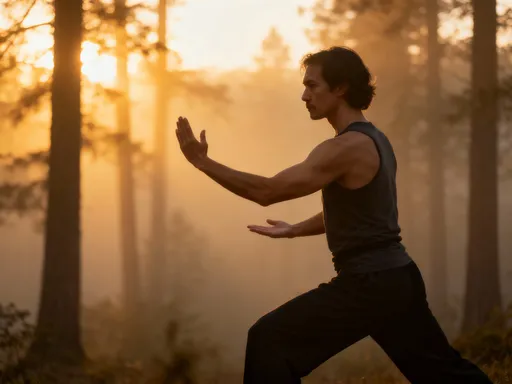
The first formal movement is “Lifting the Sky.” With hands starting at the lower abdomen, I inhale as I slowly raise my arms in front of me, palms up, all the way overhead. As I lift, I imagine drawing energy from the earth up through my body and into the sky. At the top of the motion, I pause briefly, then exhale as I lower my hands back down, palms turning down as if gently pressing energy back into the ground. This movement stimulates the body’s central channel and promotes upward energy flow.
Next is “Separating Heaven and Earth.” From a standing position, I inhale as my left hand rises overhead, palm facing up, while my right hand lowers to my side, palm down. I imagine a connection between heaven and earth, with energy flowing through my body. After a few breaths, I switch sides. This posture balances the body’s energy and encourages symmetry. It also gently stretches the torso, improving spinal mobility and circulation.
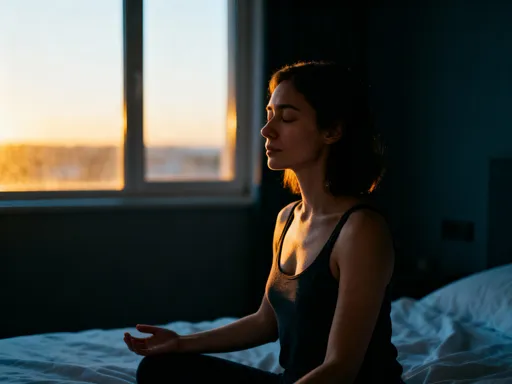
Following this, I return to deep abdominal breathing for one minute, focusing on slow, rhythmic breaths. I place one hand on my belly to feel the rise and fall, keeping my attention inward. This step consolidates the energy work and deepens relaxation. Finally, I close with a standing meditation: hands resting on the lower abdomen, eyes gently closed, breathing naturally. I remain still for two minutes, simply observing my breath and the sensations in my body.
The beauty of this routine lies in its consistency, not perfection. Some days I feel more energized; other days, I move slowly. But showing up matters more than performance. Over time, the cumulative effect builds resilience. You don’t need to master every detail—just begin. With repetition, the movements become second nature, and the benefits deepen.
When (and How) to Practice for Maximum Benefit
Timing and environment play an important role in getting the most from qigong. While it can be practiced at any time, the morning is especially effective. Practicing first thing in the day sets a calm, intentional tone, helping to counteract the stress that often builds as responsibilities pile up. The quiet stillness of early morning also supports focus and mental clarity, making it easier to stay present during the practice.
That said, evening practice can also be valuable, particularly for those struggling with sleep or daytime anxiety. A gentle session before bed helps transition the body from activity to rest, signaling that it’s time to slow down. The key is to match the practice to your needs: energizing movements in the morning, more grounding or meditative ones in the evening.
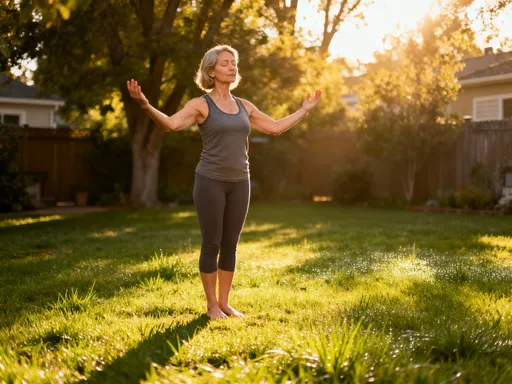
The ideal setting is a quiet, clean space with fresh air. An open window, a backyard, or a peaceful corner of the living room can all work. You don’t need silence—soft background music or the sound of nature can enhance the experience. What matters most is minimizing distractions so you can stay connected to your breath and movement.
Frequency is another important factor. Daily practice yields the best results, but even two or three times a week can make a difference. The goal is consistency, not duration. Missing a day is not failure—it’s part of the process. The important thing is to return without judgment. If time is tight, you can shorten the routine: five minutes of breathing and one movement still offer benefits.
Common challenges include lack of time, low motivation, or feeling self-conscious. To overcome these, I recommend pairing qigong with an existing habit—like after brushing your teeth or before making coffee. This “habit stacking” makes it easier to remember and integrate. Using a phone reminder or marking a calendar can also help build momentum. Most importantly, approach the practice with kindness. It’s not about doing it perfectly, but about showing up for yourself.
Beyond the Body: Mental Clarity and Emotional Balance as Prevention Tools
One of the most surprising benefits of qigong is its impact on mental and emotional well-being. While the physical movements are gentle, their effect on the mind is profound. Chronic stress doesn’t just weaken the immune system—it clouds thinking, increases irritability, and diminishes emotional resilience. Qigong addresses this by creating space between stimulus and response, allowing practitioners to respond to life’s challenges with greater calm and clarity.
The meditative aspect of qigong helps quiet the mind’s constant chatter. As you focus on breath and movement, racing thoughts begin to settle. Over time, this practice strengthens attention and reduces mental fatigue. Many women report improved concentration, better decision-making, and a greater sense of inner peace after just a few weeks of regular practice.
Emotional balance is equally important for physical health. In both traditional Chinese medicine and modern psychoneuroimmunology, emotions are seen as deeply connected to bodily function. Prolonged anger, worry, or sadness can disrupt organ systems and weaken immunity. Qigong helps regulate these emotions by promoting relaxation and self-awareness. The slow, rhythmic movements act as a form of moving mindfulness, helping to process feelings rather than suppress them.
This mind-body connection is not abstract—it’s physiological. When the mind is calm, the nervous system shifts into parasympathetic dominance, which supports digestion, healing, and immune function. When the mind is agitated, the opposite occurs. By cultivating emotional stability through qigong, you’re not just improving mood—you’re creating the internal conditions for stronger health. For women managing the emotional weight of caregiving, career, or personal transitions, this aspect of qigong can be especially transformative.
Making It Stick: Building a Habit That Feels Natural, Not Forced
The biggest challenge with any wellness practice is consistency. It’s easy to start with enthusiasm, but harder to maintain over time. The key to making qigong a lasting habit is to make it feel effortless, not like another chore. This means designing the practice around your life, not the other way around.
Start small. Even two minutes of breathing counts. The goal is to build momentum, not achieve perfection. Pair the practice with something you already do—like after turning off the alarm or before checking your phone. This simple link increases the likelihood of follow-through. You can also use visual cues: placing your qigong clothes in view or keeping a journal nearby to note how you feel afterward.
Tracking progress can be helpful, but avoid rigid expectations. Instead of measuring success by duration or form, notice how you feel—more energy, better sleep, less tension. These subtle shifts are real indicators of change. Celebrate them quietly. Over time, the habit becomes self-reinforcing because you begin to miss it when you don’t do it.
Be patient with yourself. Some days will feel easier than others. That’s normal. Self-compassion is part of the practice. Qigong is not about pushing through pain or forcing discipline. It’s about listening to your body and meeting it where it is. This gentle approach makes it sustainable for the long term.
As the habit takes root, you may find yourself naturally expanding the practice—adding a few more minutes, trying new movements, or sharing it with a friend. But the foundation remains simple: a few minutes a day, a few breaths at a time, a quiet commitment to your well-being. That’s where true change begins.
Qigong isn’t about dramatic transformations overnight—it’s about showing up for your health every day in a way that feels nourishing, not draining. By dedicating just a few minutes to this ancient practice, you’re investing in your body’s ability to stay strong, adapt, and resist illness naturally. It’s not a cure, but a quiet, powerful form of self-care rooted in wisdom. If you’re looking for a simple, science-supported way to take charge of your well-being, qigong might just be the missing piece. Always consult a healthcare provider for medical concerns, but don’t underestimate the power of what you can do for yourself—every breath, every movement counts.