Why I Reversed My Aging Clock Naturally – Real Changes, Zero Hype
I used to feel tired all the time, like my body was aging faster than I could keep up. Wrinkles deepened, energy dipped, and I knew something had to change. Instead of chasing quick fixes, I focused on long-term health maintenance with real, science-backed habits. After months of testing small daily shifts, I noticed surprising improvements—not just in how I looked, but how I felt. This isn’t about magic—it’s about consistency, balance, and smart choices that truly support anti-aging from within.
The Wake-Up Call: Recognizing Early Signs of Accelerated Aging
For years, the signs crept in quietly. Mornings became harder to face. Getting out of bed felt like lifting a weight, and even after a full night’s sleep, the fatigue lingered. Simple tasks—carrying groceries, climbing stairs, keeping up with errands—left me breathless. At first, I blamed it on being busy, on motherhood, on the natural wear and tear of life. But then the other changes followed: fine lines turned into deep grooves around my eyes and mouth, my skin lost its glow, and I began forgetting names or appointments more often than before.
These weren’t just cosmetic concerns—they were signals. Science now shows that aging is not merely a countdown of birthdays but a reflection of biological health. Some people in their 50s have the cellular age of someone much younger, while others show signs of accelerated aging in their 40s. Factors like chronic stress, poor diet, lack of movement, and disrupted sleep can speed up this internal clock. The key is recognizing the early markers: persistent fatigue, brain fog, joint stiffness, slower recovery from illness, and changes in skin elasticity. These are not inevitable—they are invitations to reassess how we care for our bodies.
What changed for me was shifting my mindset. Instead of dismissing these symptoms as “just part of getting older,” I began to see them as clues. My body wasn’t failing me—it was asking for support. This realization became the foundation for a new approach to wellness, one rooted not in denial but in science, self-awareness, and sustainable action.
Redefining Anti-Aging: It’s More Than Skincare
When most people hear “anti-aging,” they think of creams, serums, and cosmetic procedures promising to erase wrinkles or tighten skin. But true anti-aging goes far beyond the surface. It’s about supporting the health of our cells, mitochondria, and DNA—the very building blocks of how we age. The goal isn’t to look 20 again, but to maintain vitality, resilience, and function well into later life. This shift—from appearance to biological health—was the most powerful change in my journey.
One of the biggest myths is that aging is a fixed process we have no control over. In reality, research in the field of epigenetics shows that lifestyle choices can influence how our genes express themselves. While we can’t change our DNA, we can influence whether certain genes linked to inflammation, cellular repair, or longevity are turned “on” or “off.” This means that daily habits—what we eat, how we move, how we sleep—play a direct role in how quickly or slowly we age at a cellular level.
Health maintenance, then, is not about extreme diets or expensive treatments. It’s about consistency in the fundamentals: nourishing food, regular movement, quality rest, and emotional balance. These are not quick fixes but long-term investments. For example, reducing inflammation through diet or protecting telomeres—the protective caps on the ends of our chromosomes—through stress management can slow biological aging. When we focus on what’s happening inside, the outside often follows naturally.
Fueling Longevity: The Role of Nutrition in Slowing Aging
Nutrition is one of the most powerful tools we have for influencing how we age. Every bite of food either contributes to inflammation and oxidative stress—or helps reduce them. Chronic inflammation, in particular, is now recognized as a key driver of accelerated aging and age-related diseases. The foods we eat can either fan the flames or help put them out. This understanding transformed the way I approached my meals.
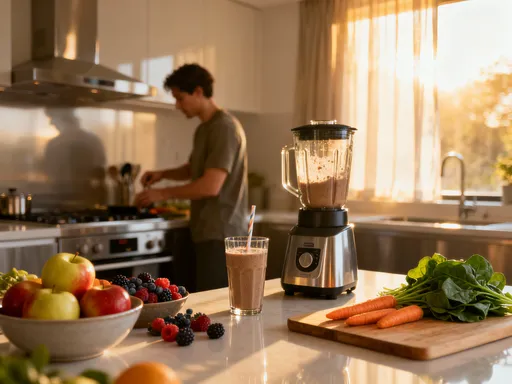
I began by shifting toward a more plant-forward, whole-foods-based diet—similar to the Mediterranean pattern, which has been consistently linked to longer healthspan and reduced risk of chronic illness. This means filling my plate with colorful vegetables, leafy greens, legumes, whole grains, nuts, seeds, and healthy fats like olive oil. I reduced processed foods, refined sugars, and excessive red meat, not because I was on a “diet,” but because I wanted to give my body the nutrients it needed to repair and regenerate.
Antioxidant-rich foods became a daily priority. Berries, dark leafy greens, tomatoes, and green tea provide compounds that neutralize free radicals—unstable molecules that damage cells over time. I also made sure to include sources of omega-3 fatty acids, such as fatty fish, flaxseeds, and walnuts, which support brain health and reduce inflammation. Protein intake was balanced throughout the day to support muscle maintenance, especially important as we age and naturally lose muscle mass.
One simple but powerful change was drinking more water and cutting back on sugary beverages. Hydration affects everything from skin elasticity to cognitive function. I also paid attention to meal timing, avoiding late-night eating to support better digestion and metabolic health. These weren’t rigid rules but gentle shifts that added up over time. The result? More stable energy, fewer cravings, and a noticeable improvement in how my skin looked and felt. Nutrition, I realized, wasn’t just about weight—it was about cellular renewal.
Move to Stay Young: Why Physical Activity Is Non-Negotiable
Sedentary living is one of the silent accelerators of aging. The body is designed to move, and when we don’t, systems start to slow down. Muscles weaken, joints stiffen, circulation decreases, and metabolism drops. I used to think that as long as I wasn’t overweight, I was fine. But I learned that even people with a healthy weight can suffer from poor metabolic health if they’re inactive.
Physical activity is one of the most effective ways to slow biological aging. It improves cardiovascular health, supports insulin sensitivity, strengthens bones, and even protects brain function. Studies show that regular exercisers have longer telomeres and lower levels of inflammatory markers. The good news? You don’t need to run marathons or spend hours in the gym. What matters most is consistency and variety.
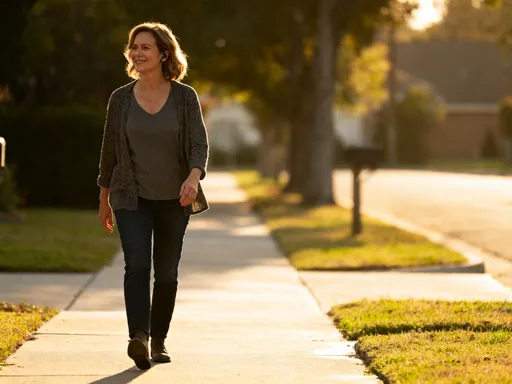
I built a routine that included three key types of movement: strength training, cardiovascular exercise, and flexibility work. Two to three times a week, I did bodyweight exercises like squats, lunges, and planks, or used light dumbbells at home. This helped preserve muscle mass and maintain strength, which is crucial for independence and balance as we age. For cardio, I walked briskly for 30 minutes most days—sometimes in my neighborhood, sometimes on a treadmill while listening to a podcast. Walking is low-impact, accessible, and highly effective for heart health and mood.
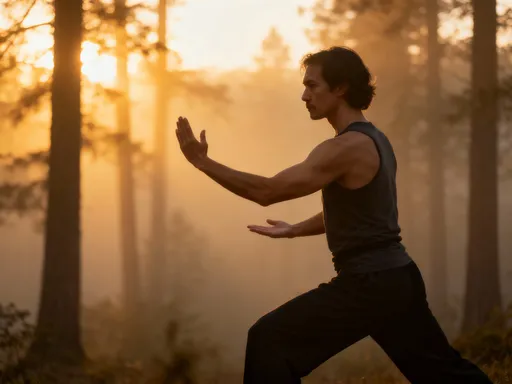
I also added stretching and mobility work, such as yoga or gentle floor exercises, to maintain flexibility and reduce stiffness. These practices improved my posture, eased back tension, and made daily movements easier. The key was making movement enjoyable and sustainable. I stopped thinking of exercise as punishment and started seeing it as a form of self-care—a daily gift to my future self. Over time, I noticed I had more energy, slept better, and felt stronger in everyday life.
Sleep: The Silent Anti-Aging Powerhouse
If nutrition and movement are the pillars of health, sleep is the foundation. Yet, it’s often the first thing sacrificed in a busy life. For years, I wore my lack of sleep like a badge of honor—burning the candle at both ends to keep up with work, family, and household demands. But research shows that chronic poor sleep accelerates aging at the cellular level. It disrupts hormone balance, increases inflammation, and impairs the brain’s ability to clear out toxins—processes that are vital for long-term health.
During deep sleep, the body repairs tissues, regulates hormones like cortisol and growth hormone, and consolidates memories. The glymphatic system—a waste-clearance system in the brain—becomes especially active at night, flushing out proteins linked to neurodegenerative diseases. When we skimp on sleep, we deprive ourselves of these essential maintenance functions. I began to see sleep not as downtime, but as active recovery—a critical part of my anti-aging strategy.
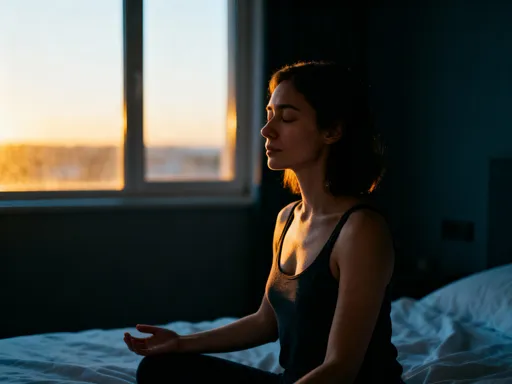
To improve my sleep quality, I established a consistent bedtime routine. I set a goal of 7 to 8 hours per night and tried to go to bed and wake up at the same time, even on weekends. I created a calming pre-sleep ritual: turning off screens an hour before bed, dimming the lights, and reading a book or practicing gentle breathing exercises. I made my bedroom a sleep sanctuary—cool, dark, and quiet—and avoided caffeine after noon.
Within a few weeks, the difference was remarkable. I woke up feeling more refreshed, my mood was steadier, and my focus improved. I also noticed fewer afternoon energy crashes, which I had once accepted as normal. Sleep became a non-negotiable part of my health routine, not a luxury. By prioritizing rest, I gave my body the time it needed to regenerate—something no cream or supplement can replace.
Stress Management: Calming the Body’s Aging Accelerator
Chronic stress is perhaps one of the most underestimated drivers of accelerated aging. When stress becomes constant, the body remains in a state of “fight or flight,” flooding the system with cortisol and adrenaline. Over time, this leads to increased inflammation, weakened immunity, and damage to cells and DNA. One of the most striking findings in aging research is the link between chronic stress and shortened telomeres—essentially, stress can make your cells age faster.
I didn’t realize how much stress I was carrying until I started paying attention to my body. I had frequent tension headaches, shallow breathing, and a constant sense of urgency. I thought I was just “busy,” but my nervous system was stuck in overdrive. To counter this, I began incorporating simple, science-backed stress-reduction practices into my day.
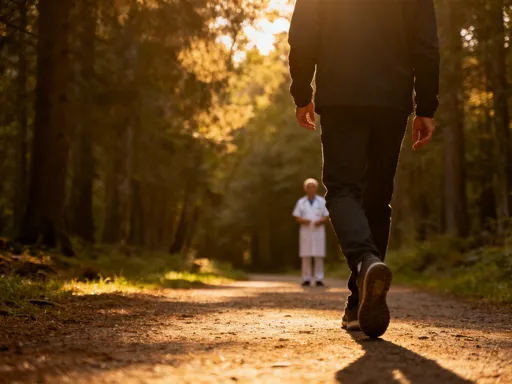
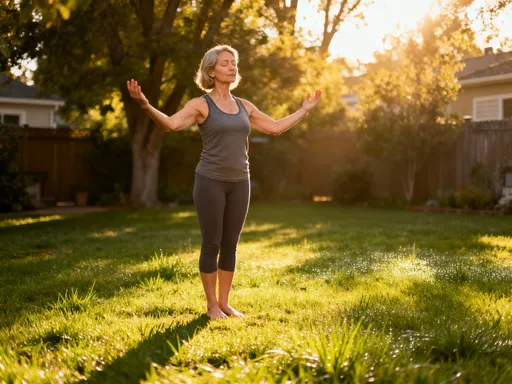
Deep breathing became my go-to tool. Just five minutes of slow, diaphragmatic breathing—inhaling deeply through the nose, holding briefly, and exhaling slowly—can activate the parasympathetic nervous system, which helps the body relax and recover. I practiced this in the morning, during lunch breaks, or before bed. I also made time for daily walks in nature, which studies show can lower cortisol levels and improve mood. Even 10 minutes of mindful walking—focusing on each step, the sounds around me, the rhythm of my breath—made a difference.
Mindfulness and gratitude practices also helped shift my mindset. Instead of reacting to stress with frustration, I learned to pause and respond with intention. I started a simple journaling habit, writing down three things I was grateful for each night. This small act didn’t erase life’s challenges, but it helped me focus on what was going well. Over time, I felt calmer, more centered, and more resilient in the face of daily pressures. Stress didn’t disappear—but my relationship with it changed.
Consistency Over Perfection: Building a Sustainable Anti-Aging Lifestyle
The most important lesson I’ve learned is that anti-aging isn’t about perfection—it’s about consistency. No single salad, workout, or good night’s sleep will reverse aging. But doing the right things most of the time, day after day, creates lasting change. I used to fall into the trap of all-or-nothing thinking: if I couldn’t do everything perfectly, I wouldn’t do anything at all. But real progress comes from small, repeatable habits that fit into real life.
I stopped focusing solely on how I looked and started paying attention to how I felt. My markers of success became energy levels, mental clarity, emotional balance, and physical resilience. Did I wake up feeling rested? Could I keep up with my kids or grandkids without getting winded? Was I able to handle stress without feeling overwhelmed? These became my true measures of health.
I also learned to track progress gently. Instead of weighing myself daily or measuring every wrinkle, I kept a simple wellness journal. I noted how I slept, what I ate, how I moved, and how I felt emotionally. Over time, patterns emerged—days when I ate well and moved regularly were almost always better days overall. This helped me stay motivated and make adjustments without judgment.
Building a sustainable lifestyle also meant being kind to myself. There are still days when I eat something processed, skip a workout, or stay up too late. But I no longer see these as failures. They’re part of being human. What matters is returning to the habits that support my health, without guilt or shame. This compassionate approach has made all the difference.
Conclusion
Reversing my aging clock wasn’t about chasing youth—it was about reclaiming vitality. By focusing on nutrition, movement, sleep, stress management, and mindset, I’ve created a life that supports long-term health and well-being. These pillars are not quick fixes but lifelong commitments. They require awareness, effort, and consistency, but the rewards are profound: more energy, better mood, sharper thinking, and a stronger body.
Aging is inevitable, but how we age is not. We have more control than we think. The choices we make every day—what we eat, how we move, how we rest, and how we respond to stress—shape our biological age. This journey isn’t about stopping time, but about living fully at every stage. It’s about feeling strong, clear, and alive, not just looking younger.
For anyone feeling overwhelmed by the idea of change, I offer this: start small. Pick one habit—drink more water, take a 10-minute walk, go to bed 15 minutes earlier—and build from there. Progress is gradual, but it compounds. And always consult with a healthcare provider before making significant changes, especially if you have underlying health conditions. True anti-aging isn’t found in a bottle or a procedure. It’s found in the daily choices that honor your body and support your long-term health. No shortcuts. Just real, lasting change.